
10 Termite Fumigation/Tenting Facts You May Not Know
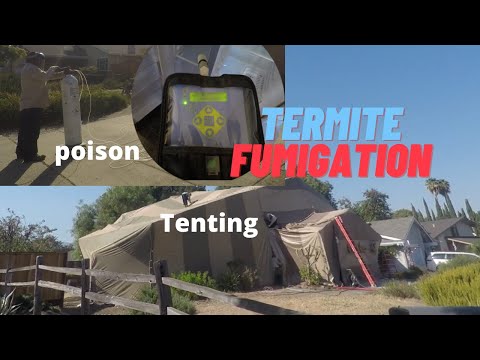
Key Takeaways
- You may or may not have had your house fumigated for termite treatment
- If you have, it is likely you simply followed the company’s preparation instructions and turned over your house key to them
- This video will show what exactly happens after you turn over your keys and some tips about fumigation
- I suspect you will see a few things you may not have expected or imagined, such as the poison is actually in use for only one day, they may use tear gas, how the poison gas is released at the end, and so forth
- If you have not had experience with fumigation, but are currently preparing your house, this video is a must watch because seeing how we wasted some time and effort may save you some of yours
Why This Matters
You may or may not have had your house fumigated for termite treatment. If you have, it is likely you simply followed the company’s preparation instructions and turned over your house key to them. This video will show what exactly happens after you turn over your keys and some tips about fumigation. I suspect you will see a few things you may not have expected or imagined, such as the poison is actually in use for only one day, they may use tear gas, how the poison gas is released at the end, and so forth. If you have not had experience with fumigation, but are currently preparing your house, this video is a must watch because seeing how we wasted some time and effort may save you some of yours. While local spot termite treatment may be cheaper and take less preparation, it does not affect termites in inaccessible areas or undetectable infestations, and can not achieve whole-house eradication. The advantages for spot treatment are that it is cheaper, and is more convenient because you don’t have to move out for a few days. However you may continue to wonder if there were areas harboring termites that were missed. Fumigation or tenting is the only whole-structure method that has been proven 100% effective at eliminating every drywood termite infestation, including the undetectable infestations. However, it is more expensive and you will need to stay elsewhere for a few days. And the termites will eventually come back after fumigation, so it is better you spray some chemicals around your house as well as an ongoing deterrent. Index: Usually it does not matter what YOU do, termites will come back through your neighbors, so need to check every 7 years. Often fumigation companies will have a yearly plan to inspect and treat the problems. Like any insurance business, their pricing statistically in their favor to make money. You know your house the best with real data, how long do you find termites after previous tenting or related problems? History is likely repeats, from that data, you can actually calculate your costs and compare different options so that you can make the best decision.
Understanding the Basics
Whole-house fumigation involves covering the entire structure with a gas-tight tent, then releasing a lethal gas (typically Vikane, or sulfuryl fluoride) that penetrates every crack, crevice, and hidden space in the structure. The gas kills all drywood termites regardless of where they are hiding — including in walls, attics, and other inaccessible areas. The process takes about three days: one day for setup and gas release, one day for the gas to work, and one day for aeration and clearance testing. The gas concentration is monitored and must reach zero parts per million before the home is declared safe to re-enter.
The DIY Advantage
Fumigation costs $1,500 to $5,000 depending on the size of the home. Local spot treatment is cheaper ($200 to $500) but only kills termites in treated areas and cannot reach hidden infestations. The cost of untreated termite damage can be $5,000 to $50,000 or more in structural repairs.
Tips for Best Results
Follow the preparation instructions carefully — improperly sealed food and medications must be removed or double-bagged. Measure 12 inches from the house perimeter for the tent anchor weights, not more. The fumigation company may use tear gas as a warning agent mixed with the Vikane. Termites will eventually return after fumigation (typically within 5 to 7 years), so ongoing monitoring and perimeter treatment are recommended. Evaluate the cost of a yearly inspection plan versus the frequency of reinfestation based on your specific history.
Video Chapter Guide
Here is a quick reference for the key sections covered in the video:
- 0:00 Summary
- 0:33 1: may not follow preparation instructions
- 1:00 wasted 12 inches from home
- 1:44 2. tent encloses deck & fence
- 2:07 3. plastic/pvc coated and clamps
- 2:27 35LB weight and release gas
- 3:09 inside house & fans
- 3:29 4. fans with tubes
- 3:49 only after 1 day to release gas
- 4:37 5. apply tear gas
- 4:57 6. weight scale & 18LB gas
- 5:27 7. inject Vikane gas
Use these timestamps to jump directly to the section most relevant to your situation.
More Practical Guides
Being an informed homeowner during termite treatment helps you prepare efficiently and make smart long-term decisions about ongoing pest management.
For more hands-on tutorials, check out our guides on bathtub caulking and peeling garlic easily without special tools. Each one follows the same practical, no-nonsense approach to help you save money and build useful skills.