 Genius Asian
 4 Years Later, Attaching Rearview Mirror Again -- Glue attached to windshield
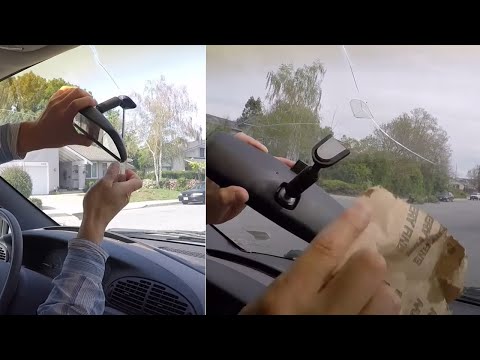
4 Years Later: Attaching the Rearview Mirror Again
Key Takeaways
- Rearview mirrors attached with adhesive to the windshield can and do fall off over time
- Temperature changes, vibration, and UV exposure all degrade the adhesive bond
- The re-attachment process requires proper surface preparation for a lasting bond
- This is the second time performing this repair, demonstrating it is a recurring maintenance item
- Patience during the curing process is essential for a strong, lasting bond
When the Mirror Falls Off Again
Four years after the original rearview mirror attachment, the mirror fell off the windshield again. This is not unusual — the adhesive bond between the mirror bracket and the glass is subjected to constant stress from temperature cycling, road vibration, and UV exposure through the windshield. Over time, these forces weaken the bond until it fails.
Surface Preparation
The key to a lasting repair is thorough surface preparation. Both the windshield and the mirror bracket must be completely clean and free of old adhesive residue. Use a razor blade to scrape old adhesive from the glass, then clean both surfaces with isopropyl alcohol or the cleaning solution included in the mirror adhesive kit.
The glass surface where the bracket attaches must be at room temperature. Do not attempt this repair in extreme heat or cold, as temperature affects adhesive curing. Working in a garage or on a mild day produces the best results.
The Attachment Process
Apply the primer (if included in your kit) to both the glass and the bracket. Wait the specified time for the primer to activate. Apply the adhesive to the bracket, then press it firmly against the marked position on the windshield. Hold it in place for the time specified by the adhesive manufacturer.
Most importantly, do not hang the mirror on the bracket for at least 24 hours. The adhesive needs time to fully cure. Premature loading is the most common cause of a failed repair.
Making It Last
To maximize the life of the bond, park in shade when possible to reduce UV exposure and temperature extremes. Avoid adjusting the mirror with excessive force. If the mirror starts to feel loose, re-attach it before it falls off completely — catching a weakening bond early is easier than starting from scratch.