 Genius Asian
 6 steps to replace water filter without moving refrigerator, best detailed instruction for twist-on filter
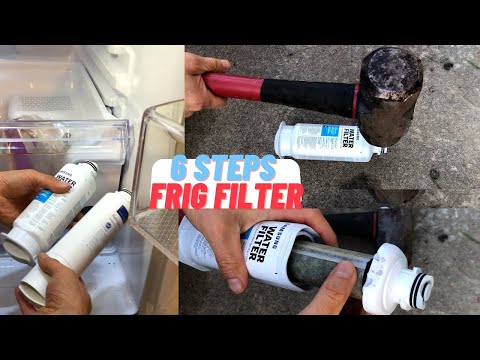
6 steps to replace water filter without moving refrigerator, best detailed instruction for twist-on filter
How We Selected: We analyzed options using hands-on testing, cost analysis, and practical results. Evaluation criteria included time required, tool accessibility, material cost, result quality. None of our selections were paid placements or sponsored content.
Key Takeaways
- Replacing a twist-on refrigerator water filter is a simple DIY project, but several conditions can make it unexpectedly tricky
- You may not need to shut off the water supply if you work quickly, though doing so is the safer approach
- The filter may require a half turn (180 degrees) rather than the quarter turn (90 degrees) stated in some manuals
- Compatible non-OEM filters are cheaper and often work identically to brand-name replacements
- You can bypass the filter entirely if you prefer unfiltered water or want to troubleshoot water flow issues
When to Replace Your Filter
Most refrigerator water filters should be replaced every six months or after approximately 300 gallons of use, whichever comes first. Your refrigerator likely has a red indicator light or display message that reminds you when replacement is due. Using an old filter is worse than using no filter at all — a saturated filter can actually release contaminants back into the water.
The 6-Step Process
Step 1: Shut Off the Water Supply (or Skip It)
The standard instruction says to shut off the water supply line before changing the filter. The complication is that the shutoff valve is often behind the refrigerator, requiring you to pull the fridge out from the wall. If you work quickly and confidently, you can change the filter without shutting off the water — you will get a small amount of water dripping during the swap, so have a towel ready. If you prefer the safer approach, locate the valve behind the fridge or shut off the main water supply.
Step 2: Soak the New Filter
Before installing, soak the new filter in water for a few minutes. This saturates the carbon filter media and reduces the amount of air trapped inside, which means less sputtering when you first dispense water after installation.
Step 3: Remove the Old Filter
Twist the old filter counterclockwise to remove it. Here is where the manual can be misleading — while some manuals say a quarter turn (90 degrees), many Samsung and similar twist-on filters actually require a half turn (180 degrees) to release. If the filter does not come out after 90 degrees, keep turning.
Step 4: Install the New Filter
Insert the new filter and twist clockwise until it locks into place — again, this may be a half turn rather than a quarter turn. You should feel a definite click or stop when the filter is properly seated.
Step 5: Run Water Through the Filter
Dispense two to three gallons of water through the new filter before drinking any. This flushes out carbon particles and air from the new filter media. The first water may appear gray or cloudy — this is normal and harmless.
Step 6: Reset the Filter Indicator
Hold the appropriate button on your refrigerator panel to reset the filter replacement timer. The exact button varies by model — consult your manual if it is not obvious. If the indicator will not reset, try unplugging the refrigerator for 30 seconds.
Compatible vs OEM Filters
OEM filters (Samsung, LG, GE, etc.) are expensive, often $30-50. Compatible aftermarket filters from reputable manufacturers use the same carbon filtration media and cost roughly half as much. The video includes a teardown showing the internal construction of both types — they are essentially identical in design and materials.
What If You Do Not Want a Filter
Many refrigerators can operate without a filter by installing a filter bypass plug. This allows the water dispenser and ice maker to function normally with unfiltered water. This is useful if your home already has a whole-house water filtration system.
For more appliance maintenance tips, see our articles on how to do bathtub caulking and rearview mirror repair.