 Genius Asian
 8 steps To Rebuild & Replace Privacy Fence, DIY Fence Part 3, Things to Look For Hiring Contractor
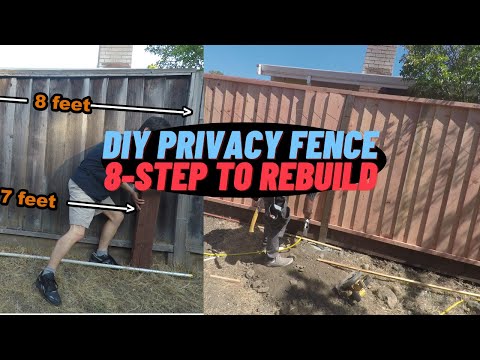
8 steps To Rebuild & Replace Privacy Fence, DIY Fence Part 3, Things to Look For Hiring Contractor
Key Takeaways
- What are the things you should pay attention to when engaging a contractor for fence work
- Or, with the cost of remodeling soaring, you could save a lot of money if you follow the 8 steps described in this video and do it yourself
- I will show you how to make a simple privacy fence, with either a board on board or a louvered design
- Also, gates can see a lot of action, so it is quite likely you need to repair or replace your gate before the fence itself needs replacement, so if you just want to build a fence gate, you can check out our part 2 video: For either fence installation or a fence gate, if you want to know how I derived the math formula for the board overlap amount, you should take a look at this part 1 video: index
Understanding the Basics
A standard privacy fence consists of posts (typically 4x4 pressure-treated lumber set in concrete), rails (2x4 horizontal supports), and pickets or boards (1x6 or dog-ear fence boards). The most common styles are side-by-side (boards touching), board-on-board (overlapping for complete privacy from all angles), and louvered (angled boards for privacy with airflow). Each style requires different quantities of materials, so calculating accurately before purchasing is essential.
The DIY Advantage
A contractor-installed 6-foot privacy fence costs $25 to $50 per linear foot — so a 100-foot fence runs $2,500 to $5,000. The same fence built DIY costs about $10 to $20 per linear foot in materials, saving 50 to 70 percent.
Tips for Best Results
Set posts in concrete at least 24 inches deep for a 6-foot fence. Use a string line to keep the top of the fence straight, even if the ground is not level. Pre-drill screw holes near the ends of boards to prevent splitting. For board-on-board style, overlap each board by at least 1.5 inches to maintain privacy as the wood shrinks. If building gates, use a diagonal brace from the bottom hinge side to the top latch side to prevent sagging.
Video Chapter Guide
Here is a quick reference for the key sections covered in the video:
- 0:0 strong posts
- 0:20 not dig out concrete
- 0:40 1. install posts; all posts shifted
- 1:00 posts sufficiently deep
- 1:20 check contractor’s work
- 1:40 termite shield; layout strings; dig holes
- 2:01 2. install top rail
- 2:21 3. install kickboard; 4. install bottom rail;
- 2:41 5: install 2 rail strings
- 3:01 6. install boards
- 3:32 7. install strips to close boards in
- 4:03 big gaps of 6-year-old fence
Use these timestamps to jump directly to the section most relevant to your situation.
More Practical Guides
A well-built DIY fence lasts 15 to 20 years and dramatically increases your property’s privacy and curb appeal.
For more hands-on tutorials, check out our guides on bathtub caulking and peeling garlic easily without special tools. Each one follows the same practical, no-nonsense approach to help you save money and build useful skills.