 Genius Asian
 Akaka Falls In Big Island, Hawaii-UHD 4K
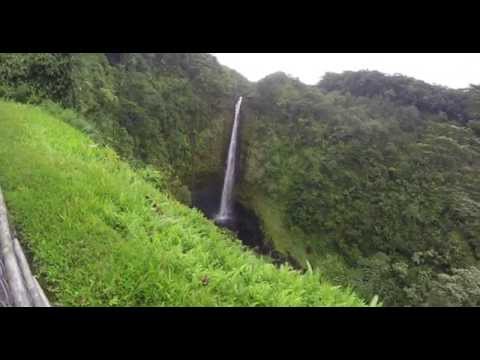
Akaka Falls on the Big Island of Hawaii
Key Takeaways
- Akaka Falls plummets 442 feet into a stream-eroded gorge, making it more than twice the height of Niagara Falls
- The paved loop trail passes through lush tropical rainforest with wild orchids, bamboo groves, and draping ferns
- The trail also features views of the cascading Kahuna Falls
- The rivers of Akaka Falls are home to unique endemic species including the O’opu fish and opae kala ole shrimp that can climb the waterfall
- The Big Island is the largest island in the United States at 4,028 square miles
The Majesty of Akaka Falls
Perhaps the most famous waterfall on Hawaii’s Big Island, Akaka Falls is a thundering column of water that drops 442 feet straight down into a deep, stream-eroded gorge. To put that in perspective, it is more than twice as tall as Niagara Falls. Standing at the overlook and watching this massive volume of water plunge into the mist-shrouded pool below is one of those experiences that makes you feel genuinely small.
The waterfall is fed by Kolekole Stream and is surrounded by dense tropical vegetation that frames the cascade in vivid green. After heavy rains, the volume of water increases dramatically, and the thundering sound can be heard well before you see the falls.
The Trail Experience
The paved loop trail to Akaka Falls is approximately 0.4 miles and takes most visitors 20 to 30 minutes to complete. Along the way, you walk through some of the most lush tropical vegetation on the Big Island. Wild orchids grow along the path, massive bamboo groves tower overhead, and delicate ferns drape from every surface.
The trail first brings you to a viewpoint overlooking Kahuna Falls, a smaller but still impressive cascade that drops about 100 feet. After continuing through the rainforest, you arrive at the main event: the Akaka Falls overlook, where the full 442-foot drop is visible from a fenced viewing platform.
Remarkable Endemic Wildlife
The rivers that feed Akaka Falls are home to two species found nowhere else on Earth. The O’opu, a type of freshwater fish, and the opae kala ole, a type of shrimp, are both endemic to Hawaii. These creatures have developed a truly remarkable adaptation: they can climb the 442-foot waterfall.
Both species spawn in the streams above the waterfall, but their young are washed down to the ocean where they mature. When it is time to return upstream to spawn, they climb the wet rocks behind and adjacent to the waterfall using a specially adapted suction cup on their bellies. This biological suction disk allows them to cling to vertical rock surfaces and inch their way up hundreds of feet of wet cliff face. It is one of nature’s most extraordinary feats of endurance.
Visiting Information
The trail is located in Akaka Falls State Park, approximately 11 miles north of Hilo on the Hamakua Coast. There is a small parking fee. The trail is paved and accessible, though it does include some stairs. The best time to visit is in the morning before tour buses arrive. Bring rain gear — this is the wet side of the island, and brief showers are common.
The Big Island Context
The Big Island is the largest and southeastern-most of the Hawaiian islands. With an area of 4,028 square miles, it is larger than all of the other Hawaiian islands combined and is the largest island in the United States. It is also the youngest island in the chain, with active volcanic activity still adding new land.
For more Hawaii travel content, check out our guide to Dubrovnik, Croatia for a contrasting travel experience, or read about internet access tips when traveling to Europe.