 Genius Asian
 Ancient Wonder: Petroglyph Sites On Big Island, Hawaii-UHD 4K
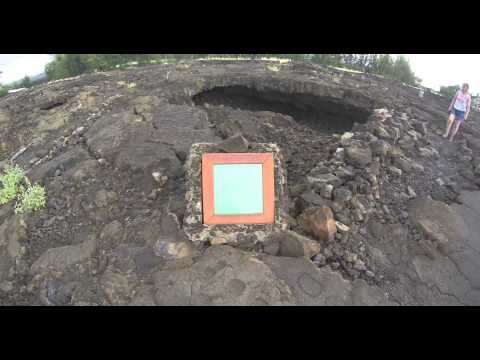
Ancient Wonder: Petroglyph Sites on the Big Island of Hawaii
Key Takeaways
- The Big Island contains the largest number of petroglyphs in Hawaii and the entire Pacific region
- Puako Petroglyph Archaeological Preserve near Mauna Lani Resort houses the state’s second largest collection with over 3,000 images in stone
- The Waikoloa Petroglyph Preserve offers close-up views along the historic Ala Kahakai Trail (King’s Trail)
- The true meanings of most petroglyphs remain unknown, though they are believed to record significant events in ancient Hawaiian life
- Unfortunately, modern graffiti has been added alongside authentic petroglyphs at some sites
Two Remarkable Petroglyph Sites
The Big Island of Hawaii holds an extraordinary treasure that most visitors overlook: the largest collection of prehistoric rock carvings in the state and the broader Pacific region. These petroglyphs, carved into the smooth lava rock by ancient Hawaiians, provide a tantalizing but mysterious window into the lives of people who lived on these islands centuries ago.
We visited two petroglyph sites during our trip, and both offered distinct experiences worth the detour.
Puako Petroglyph Archaeological Preserve
Located near the Mauna Lani Resort in South Kohala, the Puako Petroglyph Archaeological Preserve is a 233-acre preservation area that protects the state’s second largest collection of petroglyphs. Within this preserve, more than 3,000 “images in stone,” or ki’i pohaku in Hawaiian, have been identified and cataloged.
The petroglyphs are accessed by an easy 1.5-mile walking trail that leads through a lava field to an impressive viewing area containing approximately 1,200 of the carvings. Walking through the trail leading to the petroglyphs site is quite enchanting — the landscape transitions from modern resort grounds to raw, ancient lava fields dotted with these mysterious markings.
The carvings depict human figures, canoes, turtles, circles, and abstract designs. Although the true meanings of these symbols remain unknown, researchers generally believe they are a record of significant events in the lives of ancient Hawaiians — births, deaths, journeys, and achievements worthy of being permanently marked in stone.
Waikoloa Petroglyph Preserve
The second site is on the grounds of the Waikoloa Resort. The Waikoloa Petroglyph Preserve offers a more intimate experience, allowing visitors to get closer to the carvings than at some other sites. Many of the petroglyph fields in this area reside along the Ala Kahakai Trail, also known as the King’s Trail, a historic coastal path full of sacred heiau (temples), Hawaiian fishponds, and settlement ruins.
This trail was once the main thoroughfare connecting communities along the Kohala Coast. Walking it today, you follow in the footsteps of ancient Hawaiian royalty and commoners alike. The petroglyphs along the trail appear to mark significant points along the journey.
The Graffiti Problem
Unfortunately, not all markings at these sites are authentic. Modern graffiti has been added alongside the genuine petroglyphs, and distinguishing between the two can be challenging for untrained eyes. Some visitors have scratched their own names or images into the lava rock, degrading these irreplaceable historical artifacts.
When visiting, stay on marked paths, never touch or step on the petroglyphs, and report any vandalism you observe. These carvings survived centuries of weathering and volcanic activity — they should not be destroyed by thoughtless visitors.
Tips for Visiting
Visit in the early morning or late afternoon when the low-angle sunlight creates shadows that make the petroglyphs easier to see and photograph. Bring plenty of water as the lava fields absorb and radiate heat. Wear sturdy shoes, as the walking surfaces are uneven lava rock.
For more travel adventures, see our guide to Dubrovnik, Croatia or our tips on internet access when traveling to Europe.