 Genius Asian
 Common But Shocking Building Code Violations Behind The Walls of Older Houses
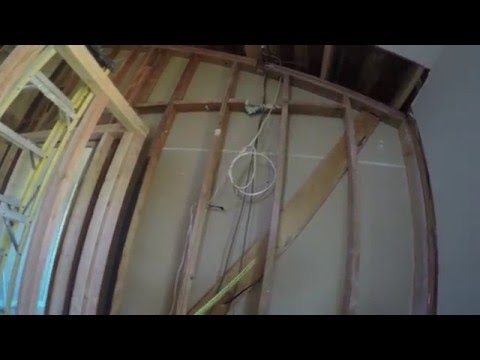
Common But Shocking Building Code Violations Behind the Walls of Older Houses
Key Takeaways
- Older houses often contain building code violations that are invisible until walls are opened up
- Common violations include improper electrical wiring, missing fire blocking, and inadequate plumbing venting
- Some violations are simply outdated practices that were legal when built but no longer meet current code
- Others are the result of unpermitted work by previous owners
- A home inspection before purchase may not catch violations hidden behind walls
What Lies Behind the Walls
When you open up the walls of an older house for renovation, you never know what you will find. Building codes have evolved significantly over the decades, and practices that were standard 50 years ago may be considered dangerous today. Additionally, previous owners may have done their own modifications without permits or professional knowledge.
Common Violations Found
Electrical Issues: Knob-and-tube wiring, ungrounded outlets, improper junction box connections, and overloaded circuits are among the most common and dangerous violations. Some older homes have wiring insulated with rubber that has degraded and cracked, exposing live conductors.
Missing Fire Blocking: Fire blocking consists of horizontal framing members within wall cavities that prevent fire from rapidly spreading vertically through the walls. Many older homes lack adequate fire blocking, especially in balloon-frame construction where wall cavities extend from basement to attic.
Plumbing Problems: Improper drain venting, mixed pipe materials without proper transitions, and lead solder joints are frequently discovered during renovations. Some older homes have drain configurations that no longer meet code and can cause sewer gas to enter the living space.
Structural Shortcuts: Notched or drilled joists and studs that weaken structural members, inadequate header beams over windows and doors, and improvised load-bearing solutions are surprisingly common.
What to Do
If you discover code violations during renovation, address them before closing walls back up. This is both a safety issue and a potential liability if you sell the house later. Consult with a licensed contractor or building inspector for guidance on bringing violations up to current code.
The DIY Mindset
The core principle behind all DIY projects is the willingness to try solving a problem yourself before paying someone else to do it. This mindset saves money, builds practical skills, and provides the satisfaction of self-sufficiency. Not every project will be perfect on the first attempt, but each attempt teaches something valuable for the next one.
Start with low-risk projects where a mistake will not cause serious damage or safety hazards. Kitchen repairs, simple plumbing fixes, basic electrical work (with the breaker off), and cosmetic improvements are good starting points. As your skills and confidence grow, you can take on more complex projects that save increasingly significant amounts of money.
Invest in quality tools gradually. You do not need to buy everything at once. Purchase each tool as a specific project requires it, and within a few years you will have a well-equipped workshop that was built incrementally rather than all at once. Quality tools last decades when properly maintained, making them one of the best investments a homeowner can make.
The DIY Mindset
The core principle behind all DIY projects is the willingness to try solving a problem yourself before paying someone else to do it. This mindset saves money, builds practical skills, and provides the satisfaction of self-sufficiency. Not every project will be perfect on the first attempt, but each attempt teaches something valuable for the next one.
Start with low-risk projects where a mistake will not cause serious damage or safety hazards. Kitchen repairs, simple plumbing fixes, basic electrical work (with the breaker off), and cosmetic improvements are good starting points. As your skills and confidence grow, you can take on more complex projects that save increasingly significant amounts of money.
Invest in quality tools gradually. You do not need to buy everything at once. Purchase each tool as a specific project requires it, and within a few years you will have a well-equipped workshop that was built incrementally rather than all at once. Quality tools last decades when properly maintained, making them one of the best investments a homeowner can make. For more home improvement content, check out our guide on how to do bathtub caulking or learn about windshield crack repair.