 Genius Asian
 DIY Kitchen Remodel Part 1, What Order You Should Complete? Cabinet By One Person Using A Car Jack
DIY Kitchen Remodel Part 1: Task Order and Solo Cabinet Installation with a Car Jack
Key Takeaways
- The order in which you complete kitchen remodel tasks significantly affects difficulty and outcome
- The five main task areas are ceiling, wall cabinets, counter cabinets, counter tops, and floor
- A car jack is the secret weapon for installing wall cabinets solo — one person plus a jack is all you need
- Planning the sequence before starting prevents costly mistakes and rework
- Understanding constraints between tasks helps you make the right decisions about order
What This Video Shows
Kitchen remodeling is one of the most ambitious DIY projects a homeowner can take on. This first video in the series addresses the critical question that most people skip: in what order should you complete the different parts of a kitchen remodel?
The answer matters because getting the order wrong can mean redoing work, damaging already-completed surfaces, or creating problems that are expensive to fix. The video breaks the kitchen into five zones and explains the dependencies between them.
The Five Task Areas
- Ceiling — painting, lighting, any overhead work
- Wall cabinets — upper cabinets mounted to the wall near the ceiling
- Counter cabinets — lower cabinets that sit on the floor
- Counter tops — the work surface installed on top of the lower cabinets
- Floor — the flooring material covering the kitchen floor
The key constraint question is: should you do the floor first or last? If you install flooring first, you risk damaging it during cabinet installation. If you install cabinets first, you need to account for the flooring thickness when setting cabinet heights.
The Car Jack Solution
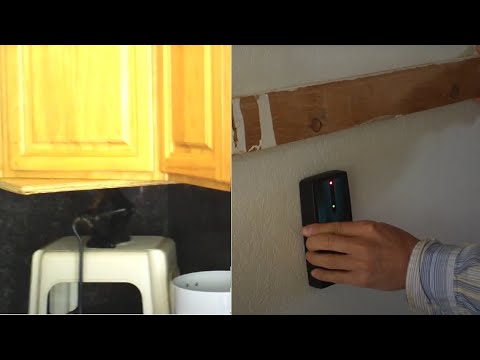
The most innovative tip in this video is using a car jack to install wall cabinets by yourself. Wall cabinets are heavy, awkward, and need to be held in place near the ceiling while you drive screws into the wall studs. This normally requires a helper.
The car jack solves this by providing a stable, adjustable support. Place the cabinet on top of the jack, raise it to the correct height, and then take your time securing it to the wall. No rushing, no struggling, no calling a friend to come hold it up.