
Everything You Want to Know About EV Charging - My Adventure
Everything You Want to Know About EV Charging: My Adventure
Key Takeaways
- EV charging involves multiple networks, connector types, and pricing structures that new owners must navigate
- Home charging (Level 1 and Level 2) covers most daily needs, but public charging is essential for longer trips
- DC fast charging (CHAdeMO, CCS) provides rapid charging but is not available everywhere
- Free charging opportunities exist at some workplaces, shopping centers, and through manufacturer programs
- The charging infrastructure is improving but still has gaps and reliability issues
A Comprehensive EV Charging Guide
After months of real-world experience charging a Nissan Leaf, this video compiles everything learned about the EV charging ecosystem. From home charging basics to navigating the sometimes confusing public charging network, this covers the practical knowledge every EV owner needs.
Home Charging
Most EV charging happens at home. Level 1 charging uses a standard 120V outlet and the charging cable that comes with the car. It adds about 4-5 miles of range per hour — enough for most daily commuters who drive less than 40 miles per day. Level 2 charging requires a 240V outlet (the same type used for electric dryers) and a dedicated charging unit. It adds about 25 miles of range per hour and can fully charge a Nissan Leaf overnight.
Public Charging Networks
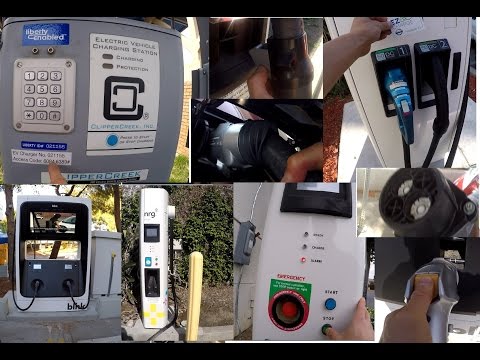
Public charging stations come in three levels. Level 2 stations are the most common and are found at shopping centers, parking garages, and workplaces. DC fast charging stations provide rapid charging (30 minutes to 80%) but are less common and more expensive.
Multiple networks operate public stations, including Blink, evGo, ChargePoint, and others. Each requires its own account and authentication method. The lack of standardization remains a friction point for EV owners.
Finding Free Charging
Some charging opportunities are free. Workplace charging programs, shopping center courtesy chargers, and manufacturer programs like Nissan’s No Charge to Charge all provide free electricity. Knowing where these free stations are located can significantly reduce the cost of EV ownership.
The Evolving EV Charging Landscape
The electric vehicle charging infrastructure continues to expand and improve. New charging networks are being built, existing stations are being upgraded to faster speeds, and the user experience is gradually becoming more standardized. Payment systems are moving toward simpler tap-to-pay methods, and apps now provide real-time availability information that reduces the frustration of arriving at an occupied or broken station.
For new EV owners, the learning curve is steeper than it needs to be. Each charging network still has its own authentication system and interface quirks. Connector standards vary between manufacturers (CHAdeMO, CCS, Tesla). Pricing structures range from per-kilowatt-hour to per-minute to session-based. Taking time to learn these differences before you need to charge in a hurry saves significant frustration.
Home charging remains the most convenient and cost-effective option for most EV owners. Installing a Level 2 charger in your garage, powered by a dedicated 240-volt circuit, provides overnight charging that covers the vast majority of daily driving needs. Public charging then becomes supplementary rather than primary, reducing the stress of relying on an imperfect public network.
The Evolving EV Charging Landscape
The electric vehicle charging infrastructure continues to expand and improve. New charging networks are being built, existing stations are being upgraded to faster speeds, and the user experience is gradually becoming more standardized. Payment systems are moving toward simpler tap-to-pay methods, and apps now provide real-time availability information that reduces the frustration of arriving at an occupied or broken station.
For new EV owners, the learning curve is steeper than it needs to be. Each charging network still has its own authentication system and interface quirks. Connector standards vary between manufacturers (CHAdeMO, CCS, Tesla). Pricing structures range from per-kilowatt-hour to per-minute to session-based. Taking time to learn these differences before you need to charge in a hurry saves significant frustration.
Home charging remains the most convenient and cost-effective option for most EV owners. Installing a Level 2 charger in your garage, powered by a dedicated 240-volt circuit, provides overnight charging that covers the vast majority of daily driving needs. Public charging then becomes supplementary rather than primary, reducing the stress of relying on an imperfect public network. For more car content, check out our guide on changing transmission fluid or learn about replacing front brake pads.