 Genius Asian
 Experience Of A Lifetime: Amazing Giant Mantas Glide & Somersault Within Inches-UHD, Hawaii Snorkel
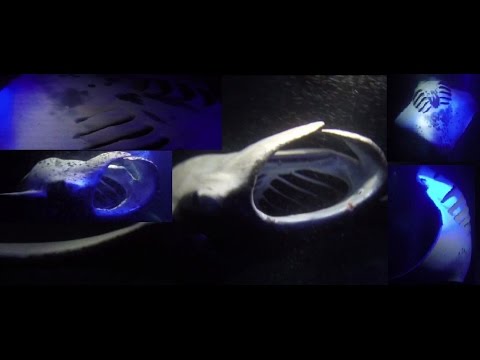
Experience Of A Lifetime: Amazing Giant Mantas Glide & Somersault Within Inches-UHD, Hawaii Snorkel
Key Takeaways
- Swimming with giant manta rays is one of the most extraordinary wildlife encounters available anywhere in the world
- These massive creatures — with wingspans of up to 18 feet — glide and somersault within inches of snorkelers
- The experience takes place off the coast of Hawaii’s Big Island, where manta rays gather at night to feed on plankton attracted by lights
- Manta rays are gentle, harmless filter feeders with no stingers or teeth that could injure humans
- The encounter is filmed in stunning UHD quality that captures the scale and grace of these remarkable animals
The Manta Ray Night Dive
Off the Kona coast of Hawaii’s Big Island, a unique wildlife encounter happens nearly every night. Tour operators anchor boats over known manta ray feeding grounds and shine bright lights into the dark water. The lights attract plankton, and the plankton attracts giant oceanic manta rays that come to feed.
Snorkelers float on the surface, holding onto illuminated surfboards or flotation devices, looking down into the lit water as mantas glide through the plankton-rich zone directly below them. The rays come so close that you could reach out and touch them — though touching is prohibited to protect the animals.
The Experience
Nothing prepares you for the first time a 15-foot manta ray sweeps directly beneath you, close enough that you can see the texture of its skin and the movement of its cephalic fins (the horn-like structures near its mouth that funnel plankton-rich water inward). The rays perform barrel rolls and somersaults as they feed, their massive wings sweeping through the water with effortless grace.
The mantas are completely unconcerned by human presence. They have been visiting this feeding site for years and are accustomed to the boats and lights. Their focus is entirely on the plankton, and they navigate around snorkelers with precise spatial awareness, never bumping or jostling despite the close proximity.
Why Mantas Are Safe
Manta rays are often confused with stingrays, which can deliver painful venom through their tail barbs. Manta rays have no such defensive capability. They are filter feeders, consuming only tiny plankton organisms. They have no teeth, no stingers, and no aggressive behaviors toward humans. Their only defense is their size and mobility — they simply swim away from threats.
The biggest risk during a manta ray snorkel is not from the animals but from other snorkelers accidentally kicking you in the excitement. Following the tour operator’s safety instructions minimizes even this minor risk.
Practical Information
The manta ray night snorkel operates year-round from the Kona coast of the Big Island. Tours depart in the early evening and return within a few hours. Most operators provide all necessary equipment including wetsuits, snorkels, and illuminated flotation boards. Non-swimmers can participate by simply holding onto the flotation board and looking down.
The experience is suitable for most ages and swimming abilities, though basic water comfort is important since you will be floating in open ocean at night. Water temperatures are warm (75-80 degrees Fahrenheit) year-round.
Capturing the Experience
The UHD 4K footage in this video captures the encounter in remarkable detail, conveying the scale and grace of these animals in a way that standard video cannot. For those planning their own manta ray encounter, a waterproof camera with good low-light capability produces the best results, though the memory of the experience itself surpasses anything a camera can capture.
Conservation and Protection
Giant oceanic manta rays are listed as vulnerable by the International Union for Conservation of Nature (IUCN). Their slow reproductive rate — females produce only one pup every two to five years — makes populations slow to recover from threats. Commercial fishing, bycatch in fishing nets, and the demand for manta gill plates in traditional medicine are the primary threats. The tourism industry around manta ray encounters, when conducted responsibly, actually supports conservation by providing economic incentive for local communities to protect the animals rather than harvest them. Choosing tour operators who follow responsible wildlife interaction guidelines contributes to this conservation economy and ensures that future generations will be able to experience these magnificent creatures.
For more Hawaiian adventures, see the secret falls of Kauai and preparing for a Hawaii trip in 2 hours.