 Genius Asian
 Hair Tattoo Experiment
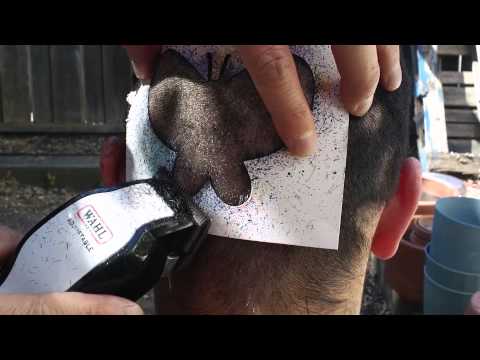
Hair Tattoo Experiment: A Fun and Creative Hairstyle Test
Key Takeaways
- Hair tattoos (shaved designs in hair) are a creative and temporary form of personal expression
- This experiment documents trying the technique for the first time
- Unlike permanent tattoos, hair designs grow out naturally within weeks
- The process requires clippers with guards and a steady hand (or a patient barber)
- The results make for fun conversation starters and memorable experiences
What This Video Shows
In the spirit of experimentation that defines this channel, this video documents an attempt at creating a hair tattoo — a design shaved into the hair using clippers. The approach is hands-on and honest: try it, see what happens, share the results.
Hair tattoos have been popular in barbershop culture for years, ranging from simple geometric patterns to complex artistic designs. This experiment captures the experience of a first-timer giving it a shot.
The Appeal of Hair Tattoos
Hair tattoos offer several advantages as a form of creative expression:
- Temporary: Unlike skin tattoos, hair grows back in 2-4 weeks
- Low risk: If it does not look good, just buzz it shorter and start over
- No pain: Just clippers on hair — no needles involved
- Affordable: Can be done at home with basic clippers
- Fun: Great conversation starter and unique personal statement
Tips If You Want to Try It
Based on the experience documented in this video:
- Start with a simple design for your first attempt
- Use clippers with appropriate guard sizes for different depth effects
- Outline the design first with a fine detail trimmer
- Work slowly and carefully — you can always take more off, but you cannot put hair back
- Have someone help with areas you cannot see easily
Documenting Your Experiments
Whether it is a hair tattoo, a cooking experiment, or a home repair attempt, documenting your creative experiments creates value beyond the moment. Videos and photos of your attempts can help others who are considering the same thing. They also create a personal record of your willingness to try new things — a quality that compounds over time as you build skills and confidence across many different areas. For more personal care experiments, see our guide on DIY haircut tips or the spirit of trying new things captured in our Maker Faire coverage.