 Genius Asian
 How To Grow, Pick and Cut Prickly Pear (Cactus Fruit), 4K UHD
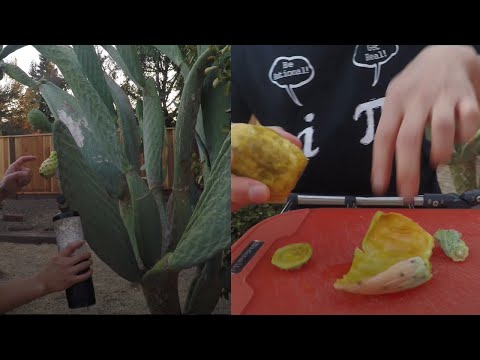
How to Grow, Pick, and Cut Prickly Pear Cactus Fruit
Key Takeaways
- Prickly pear cactus is one of the most drought-resistant edible plants you can grow — perfect for California and other water-scarce regions
- Growing it is dead simple: bury a segment of cactus pad in the ground and it will root with virtually zero maintenance or watering
- There are three methods to safely pick the fruit: using a torch to burn off spines, kitchen tongs, or a plastic bag as a glove
- Cutting the fruit requires handling it carefully to avoid the tiny, nearly invisible glochids (hair-like spines)
- The fruit is delicious and nutritious once you get past the prickly exterior
Why Grow Prickly Pear?
California has experienced severe drought conditions, and growing fruit trees that need regular watering may become impractical. Prickly pear cactus offers a compelling alternative. It is drought-resistant by nature, requires almost no maintenance, and produces edible fruit that is both delicious and nutritious.
The fruit (called tunas in Spanish) tastes sweet and refreshing, somewhat like a cross between watermelon and bubblegum. The pads (nopales) are also edible and are a staple in Mexican cuisine. And the best part? Once established, a prickly pear cactus needs essentially nothing from you — no watering, no fertilizing, no pruning.
How to Grow Prickly Pear
Growing prickly pear could not be simpler:
- Get a cactus pad: You can buy one at a nursery, get one from a friend, or carefully cut one from a wild cactus (where legal)
- Let the cut end dry: Set the pad aside for a few days until the cut end calluses over
- Bury the bottom third in soil: Push the bottom of the pad into the ground or a large pot
- Walk away: Seriously, that is it
The cactus will root on its own and start growing. It may take several years before it produces fruit, but once it starts, it will produce reliably year after year. The plant spreads by growing new pads, and over time you will have a substantial cactus patch.
No irrigation system needed. No special soil. No fertilizer. This is about as close to zero-maintenance food production as you can get.
Three Ways to Pick the Fruit
The challenge with prickly pear is right there in the name — it is prickly. The fruit is covered in clusters of glochids, which are tiny, hair-like spines that are almost invisible but incredibly irritating if they get into your skin. Picking the fruit bare-handed is a painful mistake you only make once.
Method 1: The Torch
Use a small propane torch or even a campfire lighter to burn the glochids off the fruit while it is still on the cactus. Run the flame over the surface of the fruit, and the tiny spines will singe away. You can then twist the fruit off the pad with your bare hands (or use tongs for extra safety).
Method 2: Kitchen Tongs
Metal kitchen tongs give you a firm grip on the fruit without touching it directly. Grab the fruit with the tongs, twist, and pull. Drop it into a container. This is the quickest method if you have a lot of fruit to harvest.
Method 3: Plastic Bag as a Glove
Turn a thick plastic bag inside out over your hand, grab the fruit through the bag, twist it off, then pull the bag right-side out over the fruit. The fruit goes directly into the bag without ever touching your skin.
How to Cut and Eat Prickly Pear
Even after picking, the fruit still has glochids on the surface. Here is how to safely process it:
- Rinse the fruit under running water while scrubbing gently with a brush
- Cut off both ends of the fruit with a knife
- Make a lengthwise slit through the skin
- Peel the skin away from the flesh — it comes off easily
- Eat the flesh directly, or cut it into pieces
The flesh contains small, hard seeds. You can eat around them, spit them out, or blend the fruit and strain to remove them.
Nutritional Benefits
Prickly pear fruit is rich in:
- Vitamin C
- Magnesium
- Potassium
- Dietary fiber
- Antioxidants (particularly betalains, the pigments that give the fruit its deep red-purple color)
Some research suggests prickly pear may help manage blood sugar levels and reduce inflammation, though more studies are needed.
Tips for Success
- Full sun: Prickly pear thrives in full sun locations
- Well-drained soil: The one thing that will kill a cactus is sitting in waterlogged soil
- Patience: It takes a few years to go from a single pad to a fruit-producing plant
- Wear leather gloves when handling pads or doing any maintenance on the plant
- Control spread: Prickly pear can become invasive if conditions are favorable — remove new pads if the plant is getting too large
For more food-related DIY content, check out our guide on how to peel garlic easily and our article on how to do bathtub caulking for another practical home project.