 Genius Asian
 How to Make Noodle Using Flour
By Genius Asian
Published
· Updated
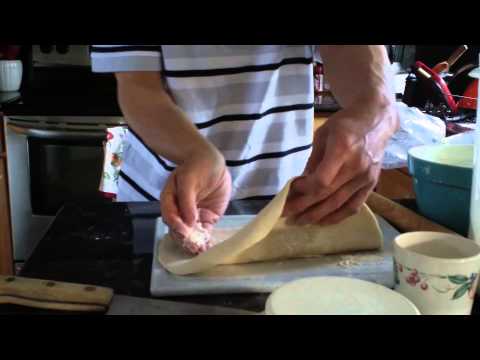
How to Make Noodles from Scratch Using Flour
Key Takeaways
- Making noodles from scratch requires only flour, water, and a pinch of salt
- The process is simple but requires patience during the kneading and resting stages
- Homemade noodles have a texture and flavor that store-bought cannot match
- No special equipment needed — a rolling pin and knife are sufficient
- This is a rewarding kitchen skill that connects you to traditional food preparation
What This Video Shows
There is something deeply satisfying about making noodles from scratch. This video demonstrates the complete process, starting with nothing but flour and water and ending with fresh noodles ready for your favorite soup or stir-fry. No pasta machine required — just your hands, a rolling pin, and a sharp knife.
The technique shown is traditional hand-cut noodle making, a method that has been used in Asian kitchens for thousands of years.
The Basic Process
- Make the dough: Combine flour and water (roughly 2:1 ratio), add a pinch of salt, and mix until it comes together
- Knead thoroughly: Work the dough for 10-15 minutes until it is smooth and elastic
- Rest the dough: Cover and let it rest for 30 minutes — this relaxes the gluten and makes rolling easier
- Roll it thin: Dust your surface with flour and roll the dough into a thin sheet
- Cut the noodles: Fold the sheet and cut into your desired width
- Cook immediately: Fresh noodles cook in 2-3 minutes in boiling water
Tips for Better Noodles
- Knead longer rather than shorter — well-developed gluten gives noodles their characteristic chew
- Use enough flour when rolling to prevent sticking, but not so much that the noodles become dry
- Let the dough rest — skipping the rest period makes rolling much harder
- Cut evenly — consistent width means consistent cooking
- Cook in plenty of water — noodles need room to move freely
Why Make Your Own
Fresh homemade noodles have a texture and flavor that dried store-bought noodles simply cannot match. The slight chewiness, the fresh wheat taste, and the satisfaction of eating something you made from basic ingredients are worth the effort.