 Genius Asian
 How to Plant A Fig Tree
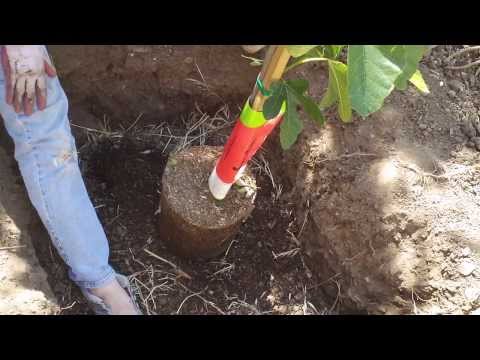
How to Plant a Black Mission Fig Tree
Key Takeaways
- Black Mission fig is a high-quality variety suitable for USDA zones 9 and above
- Planting a fig tree is straightforward and rewarding for backyard gardeners
- Fig trees require full sun, well-draining soil, and moderate watering
- Once established, fig trees are relatively low-maintenance and can produce fruit for decades
- The Black Mission variety produces dark purple figs with sweet, rich flavor
What This Video Shows
This video documents the planting of a Black Mission fig tree, one of the most popular and highest-quality fig varieties available to home gardeners in warm climates. The Black Mission fig has a long history — it was originally brought to the Americas by Spanish missionaries, which is how it got its name.
The planting process is demonstrated step by step, making it easy for anyone with a yard and the right climate to follow along and grow their own figs.
About Black Mission Figs
The Black Mission is considered one of the premier fig varieties. Its characteristics include:
- Dark purple-black skin when ripe
- Sweet, rich flavor with berry-like notes
- Dual harvest — many trees produce two crops per year in warm climates
- Versatile use — excellent fresh, dried, or in cooking
- Hardy grower — relatively pest-resistant and drought-tolerant once established
This variety thrives in USDA zones 9 and above, which includes much of California, the Gulf Coast, and the southeastern United States.
Planting Steps
- Choose the location — full sun (at least 6-8 hours daily), well-draining soil, protection from strong winds
- Dig the hole — about twice the width and the same depth as the root ball
- Prepare the soil — mix in compost or organic matter if the soil is poor
- Place the tree — set it at the same depth it was growing in the container
- Backfill and firm — fill around the roots and gently tamp the soil
- Water thoroughly — deep watering at planting helps settle the soil around the roots
- Mulch — apply a layer of mulch around the base to retain moisture and suppress weeds
Long-Term Care
Fig trees are forgiving plants that do not require much fussing once established. Water regularly during the first year, then reduce to deep watering during dry periods. Figs do not require heavy fertilization — over-fertilizing can actually reduce fruit production in favor of leaf growth.