
How To Remove A Badly Corroded Car Battery, Replace With New
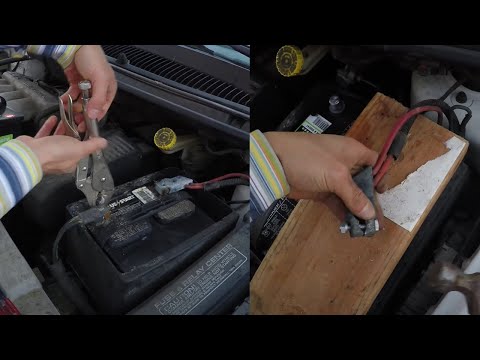
How to Remove a Badly Corroded Car Battery and Replace It
Key Takeaways
- Badly corroded battery terminals can make removal extremely difficult
- Always disconnect the negative terminal first and reconnect it last to prevent short circuits
- Baking soda and water solution neutralizes and cleans battery acid corrosion
- Wire brush the terminals and cable clamps to ensure good electrical contact with the new battery
- Applying petroleum jelly or terminal protectant to the new connections prevents future corrosion
Dealing With Severe Corrosion
A badly corroded car battery is more than an eyesore — the corrosion buildup on the terminals and cable clamps can prevent proper electrical contact, cause starting problems, and make battery removal a frustrating challenge. The crusty, blue-green deposits are dried battery acid that has leaked or gassed from the battery, and they can fuse the cable clamps to the terminals.
Safe Removal Process
Safety first: Wear gloves and eye protection. Battery acid is corrosive and the corrosion itself can irritate skin and eyes. Work in a ventilated area since batteries can release hydrogen gas.
Disconnect negative first: Always remove the negative (black) cable first. This prevents accidental short circuits if your wrench touches the car body while removing the positive terminal.
Break the corrosion bond: If the clamps are fused to the terminals, use a battery terminal puller or carefully work a flat screwdriver between the clamp and terminal. Do not pry against the battery case, which can crack and leak acid.
Neutralize the corrosion: Mix baking soda with water to create a paste. Apply it to all corroded surfaces. The baking soda neutralizes the acid, and the fizzing reaction breaks up the deposits. An old toothbrush helps scrub the residue away.
Installing the New Battery
Clean the cable clamps thoroughly with a wire brush before connecting to the new battery. Connect positive first, then negative. Apply petroleum jelly or battery terminal protectant spray to the connections to inhibit future corrosion.
The Value of DIY Car Maintenance
Learning to perform basic car maintenance saves significant money over the life of your vehicle. A professional oil change costs $40 to $80, while doing it yourself costs $20 to $30 in materials. Brake pad replacement that costs $200 to $400 at a shop can be done for $30 to $60 in parts. Over a decade of ownership, these savings can total thousands of dollars.
Beyond the financial benefits, performing your own maintenance gives you a deeper understanding of how your vehicle works. You notice problems earlier, make more informed decisions about repairs, and develop confidence in your ability to handle roadside emergencies. The tools needed for basic maintenance are a modest one-time investment that serves you for years.
Start with simple tasks like oil changes, air filter replacement, and wiper blade installation. As your confidence grows, move to brake pads, spark plugs, and fluid changes. Keep a maintenance log of every service performed, including dates, mileage, and parts used. This record is valuable for tracking your vehicle’s needs and adds to its resale value.
The Value of DIY Car Maintenance
Learning to perform basic car maintenance saves significant money over the life of your vehicle. A professional oil change costs $40 to $80, while doing it yourself costs $20 to $30 in materials. Brake pad replacement that costs $200 to $400 at a shop can be done for $30 to $60 in parts. Over a decade of ownership, these savings can total thousands of dollars.
Beyond the financial benefits, performing your own maintenance gives you a deeper understanding of how your vehicle works. You notice problems earlier, make more informed decisions about repairs, and develop confidence in your ability to handle roadside emergencies. The tools needed for basic maintenance are a modest one-time investment that serves you for years.
Start with simple tasks like oil changes, air filter replacement, and wiper blade installation. As your confidence grows, move to brake pads, spark plugs, and fluid changes. Keep a maintenance log of every service performed, including dates, mileage, and parts used. This record is valuable for tracking your vehicle’s needs and adds to its resale value. For more car maintenance, check out our guide on changing transmission fluid or learn about bleeding brake fluid on a Honda Accord.