 Genius Asian
 How To Use Dual Tumbler Composter
By Genius Asian
Published
· Updated
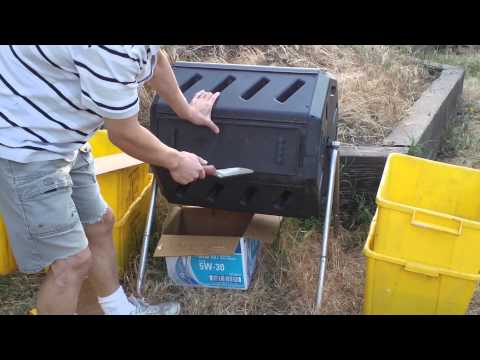
How to Use a Dual Tumbler Composter for Efficient Composting
Key Takeaways
- A dual tumbler composter allows continuous composting by alternating between two chambers
- While one chamber finishes composting, you add fresh material to the other
- Tumbling regularly speeds up decomposition compared to static compost piles
- The enclosed design keeps pests out and contains odors
- Composting reduces waste and produces valuable soil amendment for your garden
What This Video Shows
This video demonstrates how to effectively use a dual tumbler composter — a composting system with two separate chambers that rotate on a central axis. The dual-chamber design solves one of the biggest challenges with home composting: how do you keep adding fresh material without disrupting the decomposition process?
The answer is alternation. You fill one chamber while the other finishes its composting cycle. When the finished compost is ready to use, you empty that chamber and start filling it while the other side matures.
How Dual Tumbler Composting Works
The basic rhythm of dual tumbler composting:
- Start filling Chamber A with kitchen scraps, yard waste, and other compostable materials
- Add a mix of greens and browns — aim for roughly equal parts nitrogen-rich materials (food scraps, grass clippings) and carbon-rich materials (dry leaves, cardboard, paper)
- Tumble Chamber A regularly — give it several rotations every few days to aerate the contents
- When Chamber A is full, stop adding to it and start filling Chamber B
- Continue tumbling Chamber A as it finishes composting (usually 4-8 weeks)
- Harvest finished compost from Chamber A when it looks and smells like dark, rich soil
- Start filling Chamber A again while Chamber B finishes
Tips for Faster Composting
- Chop materials small — smaller pieces decompose faster
- Maintain moisture — the contents should feel like a wrung-out sponge
- Balance greens and browns — too many greens creates smell; too many browns slows decomposition
- Tumble frequently — more aeration means faster breakdown
- Add a compost activator if things seem slow to start
What Not to Compost
Avoid adding these to your tumbler:
- Meat, fish, or dairy products (attracts pests, creates odor)
- Diseased plants (can spread disease to your garden)
- Pet waste (health hazard)
- Chemically treated wood or paper