 Genius Asian
 Lava Tree Park On Big Island, Hawaii-UHD 4K
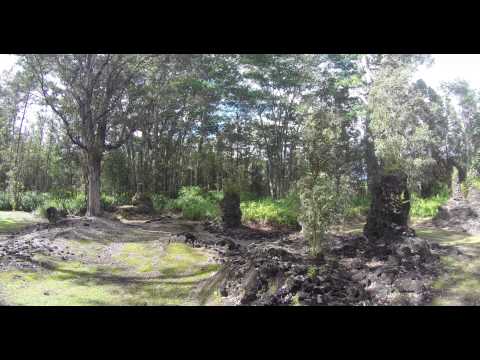
Lava Tree Park on the Big Island of Hawaii
Key Takeaways
- Lava Tree State Monument features lava molds of tree trunks created when a lava flow swept through a forested area
- The park loop trail takes about 30 minutes to complete
- Free parking and entry with restroom facilities available
- The lava tree formations are a unique volcanic feature found in few places worldwide
What Are Lava Trees?
Lava trees are among the most unusual volcanic formations in the world. They form when a fast-moving lava flow sweeps through a forested area. As molten rock contacts tree trunks, it cools and solidifies around them, creating a hard shell. The flow then drains away, leaving hollow pillars of solidified lava where the trees once stood. Over time, the wood burns away or decomposes, leaving only the lava mold that preserves the exact shape and texture of the original trunk.
Walking Through the Park
Lava Tree State Monument is located in the Puna district on the Big Island. The paved loop trail takes approximately 30 minutes at a leisurely pace. Along the path, dozens of lava tree formations rise from a forest floor reclaimed by tropical vegetation. The contrast between the dark lava pillars and the lush green forest creates an almost prehistoric atmosphere. Ferns, orchids, and native trees surround the formations, and filtered canopy light gives the area an otherworldly quality.
There is no charge for parking or entry, and restroom facilities are available at the trailhead. The trail is mostly flat and suitable for all fitness levels.
The Geological Story
The lava flow that created these formations occurred during an eruption of Kilauea. The flow was pahoehoe type — smooth, fast-flowing lava that spreads quickly across flat terrain. This type is particularly effective at creating tree molds because it flows around obstacles rather than pushing them over. The Big Island is the youngest and most volcanically active Hawaiian island, with Kilauea continuing to erupt periodically. The landscape is constantly evolving.
Visiting Tips
The park is located off Highway 132 near Pahoa, a quick side trip from the Chain of Craters Road. The eastern side receives more rainfall, so bring rain gear. Morning visits typically offer the best photography light.
Planning Your Big Island or Kauai Trip
When planning a visit to Hawaii, consider that each island has its own distinct character and attractions. The Big Island offers volcanic landscapes, coffee plantations, and diverse climate zones ranging from tropical rainforest to snow-capped peaks. Kauai, the oldest of the major islands, features dramatic cliff formations, lush valleys, and a more relaxed pace than the busier islands of Oahu and Maui.
Rental cars are essential on both islands since public transportation is limited. Book accommodations well in advance, especially during peak seasons (December through March and June through August). The best weather for outdoor activities is generally in the morning, as afternoon clouds and rain are common, particularly on the windward (eastern) sides of both islands.
Respect the land and culture during your visit. Stay on marked trails, do not disturb wildlife, and learn basic Hawaiian words and customs. The aloha spirit is real, and visitors who show respect for the islands receive warm hospitality in return. For more travel content, see our guide to Dubrovnik, Croatia or read about internet access tips when traveling to Europe.