 Genius Asian
 Making Plastic Wrap etc. Holders Work Much Better
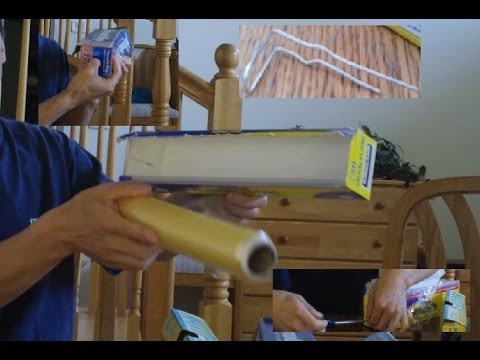
Making Plastic Wrap etc. Holders Work Much Better
Key Takeaways
- Plastic wrap, aluminum foil, and wax paper dispensers often malfunction because of a simple design flaw most people overlook
- The serrated cutting edge and roll-holding tabs on the box are meant to work together but often fail
- Simple modifications to the dispenser box dramatically improve cutting performance and roll retention
- Once you understand why the dispensers fail, the fix takes seconds and lasts the life of the roll
- These improvements apply to all roll-type kitchen dispensers: plastic wrap, foil, parchment paper, and wax paper
The Universal Frustration
Nearly everyone has experienced the frustration of trying to tear off a sheet of plastic wrap only to have it crumple into a useless wad, or trying to cut aluminum foil on the box’s serrated edge only to have the roll spin freely and the sheet tear unevenly. Parchment paper rolls that jump out of the box. Wax paper that will not cut cleanly. These are among the most common minor frustrations in any kitchen.
The root cause is almost always the same: the roll is not being held securely in the box while you pull and cut. Most dispenser boxes have small perforated tabs on each end designed to be pushed inward to hold the roll in place. If you have never noticed these tabs, you are in the majority — and your dispensing experience has been unnecessarily difficult as a result.
The Tab Fix
Look at the ends of your plastic wrap or aluminum foil box. You will see a perforated or scored area, usually labeled “press here” or “push in.” When you push these tabs inward, they engage with the cardboard tube at the center of the roll, preventing it from spinning freely when you pull on the material.
With the tabs engaged, pulling material from the roll creates tension against the serrated edge rather than simply spinning the roll. This tension is what allows the serrated edge to cut cleanly. Without it, the material bunches, wrinkles, and tears unpredictably.
Additional Improvements
Beyond the tab fix, several other modifications improve dispenser performance. Ensuring the serrated cutting edge is clean and undamaged — bent or flattened teeth cannot cut effectively. Replacing a damaged cutting edge with a strip of masking tape (the texture provides enough grip to tear plastic wrap). Storing the box in a drawer or holder that prevents it from sliding when you pull material.
For aluminum foil specifically, the cutting action works best when you pull the sheet at a slight downward angle against the serrated edge rather than straight out. This angles the material against the teeth for a cleaner cut.
The Plastic Wrap Challenge
Plastic wrap (cling film) is the most difficult kitchen material to dispense because it clings to itself, to the box, to your hands, and to everything except the bowl you are trying to cover. Beyond engaging the holding tabs, several techniques improve plastic wrap handling: keep the material taut as you pull it from the box, cut quickly with a decisive motion against the serrated edge, and apply the wrap by pressing the center onto the container first, then smoothing outward to the edges.
Some users find that storing plastic wrap in the refrigerator makes it less clingy and easier to handle, though this is debated.
The Universal Lesson
This video illustrates a broader principle: many everyday frustrations have simple solutions hiding in plain sight. The manufacturer designed the tabs specifically to solve the dispensing problem, but because most people never notice them, the problem persists. Paying attention to the design details of common tools and products often reveals built-in solutions that have been overlooked.
For more kitchen efficiency tips, see how to peel garlic easily and storing plastic bags efficiently.