 Genius Asian
 Niagara Falls-Horseshoe Falls-American Falls-Bridal Veil Falls
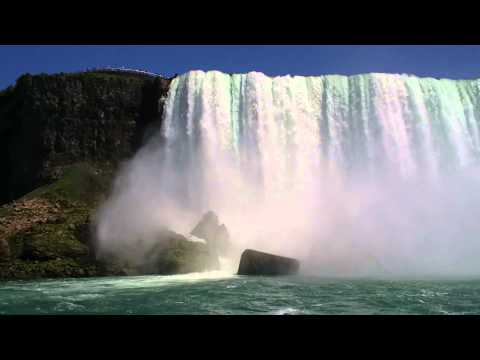
Niagara Falls-Horseshoe Falls-American Falls-Bridal Veil Falls
Key Takeaways
- Niagara Falls consists of three distinct waterfalls: Horseshoe Falls, American Falls, and Bridal Veil Falls
- The combined water flow is among the most powerful in North America, creating a spectacle of raw natural power
- Each of the three falls has distinct characteristics and offers different viewing experiences
- The Canadian side generally provides the best panoramic views, while the American side offers closer access
- Visiting Niagara Falls is a genuinely awe-inspiring experience that photographs and video cannot fully capture
Three Falls, One Spectacle
Niagara Falls is not a single waterfall but a complex of three waterfalls straddling the border between the United States and Canada. Together, they form one of the most iconic natural landmarks in North America, attracting millions of visitors annually. The combined water flow during peak season exceeds 750,000 gallons per second, creating a spectacle of power, mist, and sound that overwhelms the senses.
Horseshoe Falls: The largest and most powerful of the three, located primarily on the Canadian side. The distinctive horseshoe (crescent) shape is approximately 2,600 feet wide and 167 feet tall. Horseshoe Falls carries approximately 90 percent of the total water flow, and the volume creates a permanent mist cloud that rises hundreds of feet into the air, often producing rainbows visible from both sides of the border.
American Falls: Located entirely on the American side, approximately 940 feet wide and 70-100 feet tall (the height varies because a massive talus of fallen rock sits at the base). American Falls has a more angular, straight-edged profile compared to the curved Horseshoe Falls and offers a different visual character — more like a wall of water than a curtain.
Bridal Veil Falls: The smallest of the three, separated from American Falls by Luna Island. Approximately 50 feet wide, Bridal Veil Falls gets its name from the resemblance of its thin, spreading water sheet to a bridal veil. Despite its relatively small size, it provides some of the most intimate viewing opportunities, particularly from the Cave of the Winds walkway at its base.
Viewing Experiences
From the Canadian side: The broad curve of Horseshoe Falls is best appreciated from the Canadian bank, where you can see the entire crescent shape and the American Falls in the same panorama. The viewing areas along the Canadian side are well-developed with walkways, observation platforms, and the famous Journey Behind the Falls tunnels.
From the American side: The American observation points offer a closer, more immersive experience. The Maid of the Mist boat tour (or its Canadian equivalent, the Hornblower) takes you into the basin at the base of the falls, where the mist drenches you and the roar of the water is physically overwhelming. The Cave of the Winds experience at Bridal Veil Falls puts you on wooden walkways within feet of the falling water.
The Sound and the Mist
No photograph or video can convey two things about Niagara Falls: the sound and the mist. The sound is a continuous deep roar that you feel in your chest as much as hear with your ears. It is the sound of an inconceivable volume of water falling 167 feet and crashing into the river below. The mist is equally impressive — on windy days, the spray from Horseshoe Falls soaks observers standing hundreds of yards away.