 Genius Asian
 Our Adopted Dog-First Vet Visit, Part 2
Our Adopted Dog’s First Vet Visit, Part 2
Key Takeaways
- Part 2 covers lab testing, vaccinations, and basic grooming during the first vet visit
- Lab tests check for heartworm and various parasites that are common in shelter dogs
- Heartworm is a serious, potentially fatal condition transmitted by mosquitoes
- Flea and tick prevention is essential, along with monitoring for ear infections and gingivitis
- Nail clipping and basic grooming are part of a complete health assessment
Lab Testing for Parasites
In this continuation of our first vet visit, the veterinarian ordered lab tests for heartworm and various parasites. Shelter dogs are at higher risk for parasitic infections because they have often lived outdoors or in close quarters with other animals.
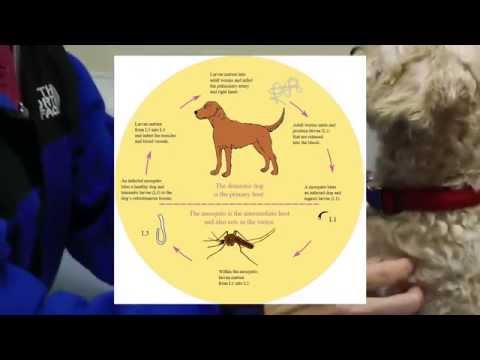
Heartworm is among the most serious threats. Transmitted by mosquitoes, heartworm larvae enter the bloodstream and eventually grow into foot-long worms that live in the heart and lungs. Left untreated, heartworm disease is fatal. The lab test uses a small blood sample and results are typically available quickly. Monthly preventative medication is essential for all dogs in mosquito-prone areas.
Other parasites tested for include intestinal worms (roundworm, hookworm, whipworm, tapeworm) and protozoal infections like giardia. Most of these are treatable with medication but can cause significant health problems if left unaddressed.
Vaccinations
The vet reviewed our dog’s vaccination history from the shelter and administered any boosters that were due. Core vaccinations for dogs typically include rabies, distemper, parvovirus, and adenovirus. Depending on your location and lifestyle, the vet may also recommend non-core vaccines such as bordetella (kennel cough), leptospirosis, and canine influenza.
Flea, Tick, and Ear Care
The vet emphasized the importance of ongoing flea and tick prevention. Even indoor dogs can be exposed through open doors, visiting other homes, or contact with other animals. Modern monthly preventatives are highly effective and much easier than dealing with an active infestation.
Our dog also had an ear infection, which is common in dogs with floppy ears or curly hair that traps moisture. The vet showed us how to clean the ears and apply medication. Regular ear checks should become part of the grooming routine.
Dental Health and Grooming
Gingivitis and tartar buildup were identified as concerns. The vet recommended dental chews and showed us basic tooth brushing technique. Nail clipping was also performed during the visit — an important part of health maintenance that many new dog owners overlook.
Long-Term Commitment of Dog Ownership
Adopting a dog is a commitment that spans 10 to 15 years or more depending on the breed. During that time, you will need to provide consistent veterinary care including annual checkups, vaccinations, dental cleanings, and emergency visits. Budget for monthly expenses including food, preventative medications for heartworm, fleas, and ticks, and grooming supplies or professional grooming services.
Beyond the financial commitment, dogs require daily exercise, mental stimulation, training, and socialization. A well-cared-for dog brings immeasurable joy to a household, but the responsibility should not be underestimated. New dog owners often discover that the adjustment period takes longer than expected, as both the dog and the family adapt to new routines, boundaries, and expectations.
Consider enrolling in a basic obedience class with your new dog. The structured learning environment benefits both the dog and the owner, establishing communication patterns and building the foundation for a strong bond. Most local pet stores and community centers offer affordable group classes that provide excellent value. For more practical content, check out our guide on how to peel garlic easily without special tools or learn about rearview mirror repair.