 Genius Asian
 Plug In USB Device Quickly & Correctly Every Time For All Orientations
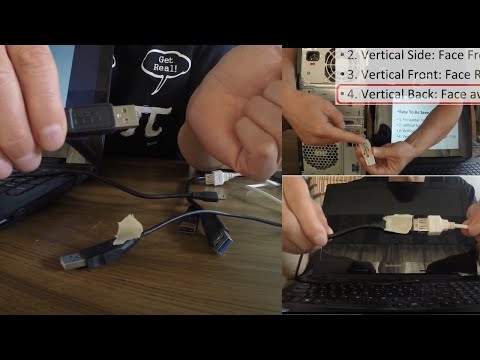
How to Plug In a USB Device Correctly Every Time
Key Takeaways
- The USB-A connector has a correct orientation, and there are visual and tactile cues to identify it
- The USB logo or seam line typically faces up when the port is horizontal
- For vertical ports, the logo faces the direction of the nearest edge of the device
- Learning these cues eliminates the frustrating trial-and-error of USB insertion
- USB-C connectors solved this problem by being reversible
The Universal USB Frustration
It has become a running joke that USB plugs require exactly three attempts to insert: once wrong, flip it, wrong again, flip it back, and it works. The USB-A connector is not reversible, and the correct orientation is not always obvious — especially when inserting blindly behind a desk or into a dark port.
The Visual Cues
Most USB-A connectors have identifiable features on one side. The USB trident logo is typically molded or printed on the “top” side. The seam or join line of the metal connector shell is also on the top side. The bottom side is typically smooth and unbroken.
For horizontal ports (like those on the front of a desktop computer), the logo side faces up. For vertical ports (like those on the side of a laptop), the logo faces toward the nearest edge of the device — though this can vary by manufacturer.
The Tactile Method
When you cannot see the port, use touch. Feel the inside of the USB port with the connector tip. The USB-A port has a thin plastic guide rail on one side. The connector’s hollow side (with two holes) mates with this rail. If you feel resistance, the connector is upside down.
The Modern Solution
USB-C connectors, now standard on most new devices, eliminated this problem entirely by being reversible. The connector works in either orientation, making the “which way is up” problem a relic of the past. If you are still dealing with USB-A devices, the tips above will save daily frustration.
The DIY Mindset
The core principle behind all DIY projects is the willingness to try solving a problem yourself before paying someone else to do it. This mindset saves money, builds practical skills, and provides the satisfaction of self-sufficiency. Not every project will be perfect on the first attempt, but each attempt teaches something valuable for the next one.
Start with low-risk projects where a mistake will not cause serious damage or safety hazards. Kitchen repairs, simple plumbing fixes, basic electrical work (with the breaker off), and cosmetic improvements are good starting points. As your skills and confidence grow, you can take on more complex projects that save increasingly significant amounts of money.
Invest in quality tools gradually. You do not need to buy everything at once. Purchase each tool as a specific project requires it, and within a few years you will have a well-equipped workshop that was built incrementally rather than all at once. Quality tools last decades when properly maintained, making them one of the best investments a homeowner can make.
The DIY Mindset
The core principle behind all DIY projects is the willingness to try solving a problem yourself before paying someone else to do it. This mindset saves money, builds practical skills, and provides the satisfaction of self-sufficiency. Not every project will be perfect on the first attempt, but each attempt teaches something valuable for the next one.
Start with low-risk projects where a mistake will not cause serious damage or safety hazards. Kitchen repairs, simple plumbing fixes, basic electrical work (with the breaker off), and cosmetic improvements are good starting points. As your skills and confidence grow, you can take on more complex projects that save increasingly significant amounts of money.
Invest in quality tools gradually. You do not need to buy everything at once. Purchase each tool as a specific project requires it, and within a few years you will have a well-equipped workshop that was built incrementally rather than all at once. Quality tools last decades when properly maintained, making them one of the best investments a homeowner can make. For more tech tips, check out our guide on how to peel garlic easily without special tools or learn about windshield crack repair.