 Genius Asian
 Smartest And Most Efficient Learning In Less Than 10K Hours
The Smartest and Most Efficient Learning: Why You Don’t Need 10,000 Hours
Key Takeaways
- The popular 10,000-hour rule is misleading — smart practice matters more than raw hours
- Setting small, achievable goals keeps you in the most productive learning zone
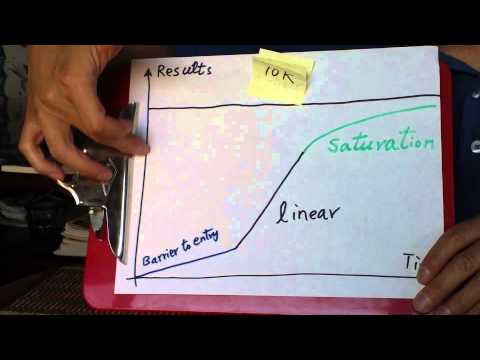
- The “linear region” of improvement is where you get the best return on practice time
- Motivation is the most underrated factor in long-term skill development
- These principles apply to any learning endeavor, from Tai Chi to programming to music
What This Video Shows
The 10,000-hour rule, popularized by Malcolm Gladwell, suggests that world-class expertise requires roughly 10,000 hours of deliberate practice. This video challenges that idea — not by disputing the research, but by proposing a smarter approach to practice that maximizes improvement per hour invested.
The central insight is that not all practice hours are equal. An hour of well-structured practice with clear goals produces more improvement than five hours of mindless repetition. By optimizing how you practice, you can achieve impressive results in far less than 10,000 hours.
The Linear Region
The video introduces a concept called the “linear region” of improvement. When you start learning something new, initial progress is rapid. As you improve, progress slows. Eventually, you hit a plateau where additional hours produce minimal improvement.
The smart approach is to stay in the rapid-improvement zone as long as possible by:
- Setting goals just beyond your current ability — not too easy, not too hard
- Breaking complex skills into small, learnable components
- Measuring progress objectively so you know when you are improving
- Changing your approach when progress stalls rather than just practicing harder
Motivation as the Critical Factor
Perhaps the most important point in this video is about motivation. The biggest threat to skill development is not lack of talent or time — it is quitting. People quit because they lose motivation, and they lose motivation because they stop seeing progress.
By keeping goals small and achievable, you maintain a steady stream of success experiences. Each small win reinforces your motivation to continue, creating a positive feedback loop that sustains long-term practice.
Applying These Principles
These learning principles apply universally:
- In Tai Chi: practice one small element until it improves, then move to the next
- In coding: build small, working programs before attempting large projects
- In music: master one phrase before tackling the whole piece
- In any skill: measure, adjust, and celebrate small progress consistently