 Genius Asian
 St. Mark's Square (Piazza San Marco) in Venice, Italy
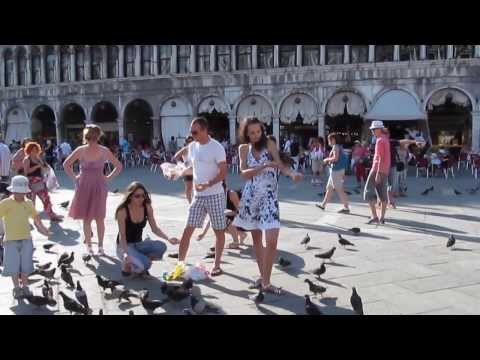
St. Mark’s Square (Piazza San Marco) in Venice, Italy
Piazza San Marco — known in English as St. Mark’s Square — is the beating heart of Venice, Italy. It is the only space in the entire city that Venetians actually call a “piazza.” Every other public square in Venice goes by the name “campo,” meaning field. That distinction alone tells you how special this place is. Whether you are visiting for an hour between cruise excursions or spending a full week in Venice, St. Mark’s Square is where you will inevitably end up, and for good reason.
Key Takeaways
- St. Mark’s Square is the principal public square of Venice and the only one officially called a “piazza” — all others are called “campi” (fields).
- Entry to St. Mark’s Basilica is free, though you may wait in line during peak season.
- The Campanile (bell tower) offers elevator access to the top for a modest fee, providing panoramic views of the city and lagoon.
- Live orchestras play in the square during the evenings, creating an unforgettable atmosphere at the surrounding cafes.
- The surrounding streets are packed with shops selling Murano glass, Venetian masks, jewelry, and of course, gelato.
- Pigeons are everywhere — and interacting with them is a classic (if messy) St. Mark’s Square experience.
What You Will See at St. Mark’s Square
Walking into the piazza for the first time is genuinely overwhelming. The scale of the space, framed by grand buildings on three sides and the basilica on the fourth, creates an almost theatrical sense of arrival. Here is what surrounds you.
St. Mark’s Basilica
Straight ahead as you enter the square from the west stands St. Mark’s Basilica, one of the finest examples of Italo-Byzantine architecture in the world. The church dates back to the 9th century in its earliest form, though the current structure was largely completed in the 11th century and has been embellished continuously ever since. The facade is covered in intricate mosaics, marble columns, and carved details that you could study for hours.
Entry to St. Mark’s Basilica is free of charge, which is remarkable given its status as one of Europe’s most visited churches. However, expect a line during peak tourist season, especially in summer months. The interior features golden mosaics covering more than 8,000 square meters of ceiling and wall space — earning the basilica its nickname, the “Church of Gold.”
The Campanile
The tall brick bell tower rising from the southeast corner of the square is the Campanile di San Marco. Originally built in the 9th century, the tower collapsed in 1902 and was faithfully rebuilt over the following decade. Today it stands nearly 100 meters tall and offers an elevator ride to the top for a modest fee (around 8 euros). The views from the top are spectacular — you can see across the rooftops of Venice, out over the lagoon, and on clear days all the way to the distant Alps.
The Doge’s Palace
Adjacent to the basilica and extending toward the waterfront, the Doge’s Palace (Palazzo Ducale) served as the seat of Venetian government for centuries. Its distinctive pink-and-white marble facade and Gothic arched colonnade make it one of the most photographed buildings in Italy. Inside, you will find lavishly decorated rooms, the famous Bridge of Sighs, and extensive historical exhibits.
The Procuratie
The long, elegant buildings lining the north and south sides of the square are the Procuratie — formerly the offices of the Procurators of St. Mark, the highest officials in Venice after the Doge. Today these buildings house shops, restaurants, and some of Venice’s most famous cafes, including Caffe Florian, which has been operating since 1720.
The Evening Orchestra Experience
One of the most magical aspects of visiting St. Mark’s Square is the evening atmosphere. As the day-trippers thin out and the light turns golden, small orchestras set up at the cafes lining the square. Sitting at an outdoor table with a glass of wine while a string ensemble plays classical music a few meters away is one of those experiences that feels almost impossibly romantic. Yes, you will pay a premium for your drink — the “music surcharge” at these cafes is well known — but many visitors consider it money well spent for a memory that lasts a lifetime.
The Famous Pigeons
No visit to St. Mark’s Square is complete without encountering the pigeons. They are everywhere — perched on the buildings, strutting across the paving stones, and landing on the arms and heads of delighted (and sometimes startled) tourists. Feeding the pigeons used to be a beloved tradition, with vendors selling bags of corn right in the square. In recent years, Venice has cracked down on pigeon feeding to reduce the bird population and the damage their droppings cause to the historic buildings, but the birds remain a constant presence.
During our visit, the kids had an absolute blast trying to get pigeons to land on their arms. With a little patience and a very still pose, you can usually convince one or two to perch. Getting a matching pair — one on each arm — became a personal challenge. It is one of those silly, joyful travel moments that everyone remembers.
Shopping in the Surrounding Streets
Radiating out from St. Mark’s Square in every direction are narrow streets (called “calli” in Venetian dialect) packed with shops. The specialties here are distinctly Venetian:
- Murano glass — from delicate jewelry to elaborate chandeliers, much of it made on the nearby island of Murano.
- Venetian masks — ranging from cheap tourist souvenirs to handcrafted works of art that cost hundreds of euros.
- Jewelry — gold and glass bead jewelry is particularly popular.
- Leather goods — handbags, wallets, and belts made in the Italian tradition.
And of course, there are gelato shops and pizzerias on practically every corner. After a morning of sightseeing, grabbing a cone of pistachio gelato and wandering the back streets is one of Venice’s greatest simple pleasures.
Practical Tips for Visiting
- Go early or late. The square is most crowded between 10 a.m. and 4 p.m. Early morning or evening visits are far more pleasant.
- Watch for acqua alta. St. Mark’s Square sits at one of the lowest points in Venice and floods regularly during high tides, especially in autumn and winter. Raised walkways are set up during floods, but waterproof boots are a smart packing choice.
- Bring a water bottle. There are public water fountains in Venice where you can refill, but the square itself has limited free water options.
- Stay aware of your belongings. Crowded tourist areas attract pickpockets. Keep your valuables secure, especially in the tight streets around the piazza.
Getting to St. Mark’s Square
If you are arriving by vaporetto (Venice’s water bus), the San Marco stop drops you right at the waterfront edge of the piazza. From there it is a short walk through the Piazzetta to the main square.
Navigating Venice’s streets on foot can be confusing — the directional signs posted on building corners sometimes point both left and right to the same destination, which is actually accurate in a city where multiple winding routes lead to the same place. When in doubt, follow the yellow signs pointing to “San Marco.”
If you are visiting Venice as part of a cruise on the Carnival Breeze or a similar ship, St. Mark’s Square is typically the first stop on any Venice shore excursion. Just be mindful of your ship’s departure time — it is easy to lose track of hours in this square.
Why St. Mark’s Square Matters
Napoleon reportedly called St. Mark’s Square “the drawing room of Europe,” and that description still fits. It is a place where history, art, commerce, and daily life all intersect in a way that few other public spaces in the world can match. The basilica, the bell tower, the palace, the cafes, the orchestras, and yes, even the pigeons — they all combine to create something that photographs and videos can only partially capture. You really do have to stand there, in the middle of the piazza, and look up at those golden mosaics and that impossible Venetian sky, to understand what makes this place so special.
Sources
- Original video on Genius Asian YouTube channel — full video demonstration and walkthrough.
- Venice Tourism Official Guide — official Venice visitor information, vaporetto routes, and museum tickets.