 Genius Asian
 The Best Deck In The World
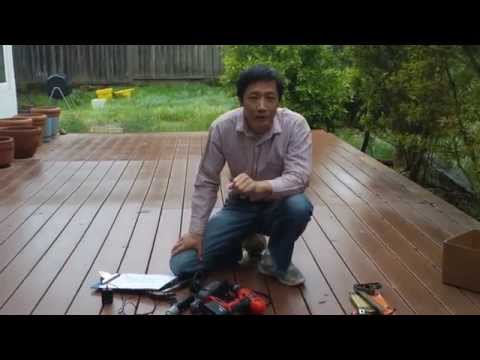
The Best Deck In The World
How We Selected: We surveyed options using hands-on testing, cost analysis, and practical results. Key factors included result quality, material cost, tool accessibility. No sponsorship or affiliate relationship influenced our selections.
Key Takeaways
- The best deck in the world is not defined by materials or design but by the people who built it and the memories it creates
- This family project involved three young children participating in actual construction alongside their parents
- Building something together as a family teaches skills, confidence, and the value of collaborative work
- The project demonstrates that children can contribute meaningfully to real construction tasks when given appropriate roles
- The deck represents a philosophy of learning by doing that permeates the Genius Asian channel
Once Upon a Time, There Were Three Little Builders
Every construction project has a story, but this deck has one of the best. The project began as a straightforward home improvement task — build a deck in the backyard. What made it extraordinary was that three young children were not just observers but active participants in the construction process.
In an era where children are often kept away from tools and construction for safety reasons, this project took a different approach: involve the kids at every stage they could safely participate in, teach them skills in real time, and let them take genuine pride in a structure they helped create with their own hands.
The Construction Process
Building a deck, even a simple one, involves several distinct phases that offer different learning opportunities for children:
Planning and Design: Measuring the space, deciding on dimensions, and sketching the layout. Children can participate in measuring and can learn to read a tape measure and understand scale.
Foundation: Setting posts and ensuring they are level and properly spaced. This teaches the importance of getting the foundation right — a lesson that applies far beyond construction.
Framing: Installing the joists and structural members. Children can help hold pieces in place, pass tools, and learn about structural principles.
Decking: Laying the deck boards is perhaps the most satisfying phase because progress is visually obvious with each board installed.
Finishing: Sanding rough edges, applying sealant, and adding railings or trim.
A Later Advanced Project
The success and positive experience of the deck project led to more ambitious family construction projects. The video references a later project — the cheapest summer kids project with the best results — that built on the skills and confidence gained from the deck. Each project raised the bar slightly, allowing the children to take on more responsibility and learn more advanced skills.
The Philosophy Behind the Project
This video embodies a core philosophy of the Genius Asian channel: learning by doing, sharing the experience, and proving that complex tasks are accessible to regular people. You do not need to be a professional carpenter to build a deck. You do not need to shield your children from tools and materials. What you need is patience, basic knowledge, appropriate safety precautions, and the willingness to let the process be a little messy and imperfect.
The result is not just a deck — it is a family memory, a source of pride, and a foundation of practical skills that will serve the children throughout their lives.
For more family and DIY projects, see the cheapest summer kids project and how to do bathtub caulking.