 Genius Asian
 The Cheapest and Simplest DIY Cell Phone/GPS Mount in a Car
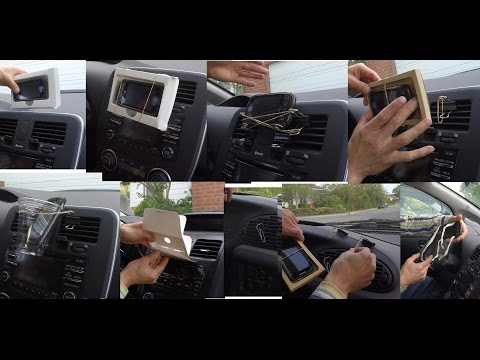
The Cheapest and Simplest DIY Cell Phone/GPS Mount in a Car
Key Takeaways
- Windshield-mounted GPS holders are illegal in over half the US states
- Multiple zero-cost DIY mount ideas work for different car types and phone sizes
- The results may not look glamorous but are among the most practical and useful life hacks
- Magnetic holders should be used with caution as they can affect compasses and credit card strips
- These ideas provide inspiration to create your own custom solution
Why You Need an Alternative Mount
If you use your cell phone as a GPS navigator, you need it positioned where you can see the screen without taking your eyes off the road for long. The obvious solution — sticking a suction mount on the windshield — is illegal in over half of US states because it obstructs the driver’s view. This video provides the cheapest and simplest alternatives for all different types of cars.
The DIY Solutions
The video demonstrates several creative mount solutions made entirely from materials already in your home or car. These include using binder clips attached to air vents, rubber bands looped around visor or headrest posts, modified cardboard holders that sit on the dashboard, and repurposed household items that create stable phone cradles.
None of these look as polished as a commercial mount. But they all work, cost nothing, and can be assembled in minutes. The key requirements are: hold the phone securely, position it within the driver’s line of sight, and allow easy removal when not needed.
A Note About Magnetic Holders
Commercial magnetic phone holders have become popular, but there are concerns worth knowing about. Strong magnets can potentially affect your phone’s compass sensor (important for GPS accuracy) and could damage magnetic stripe credit cards stored in phone wallet cases. If you do choose a magnetic mount, verify that it does not interfere with your phone’s navigation accuracy.
Safety First
Whatever mount solution you use, the goal is always safety. The phone should be positioned so you can glance at directions with minimal eye movement. Never handle the phone while driving. Set your destination before you start driving, and use voice navigation to minimize screen interaction.