 Genius Asian
 How useful are knife sharpening tools? The objective evaluation.
How Useful Are Knife Sharpening Tools? The Objective Evaluation
A dull knife is not just frustrating to use; it is actually more dangerous than a sharp one. When a blade is dull, you apply more force, which increases the chance of the knife slipping and causing injury. Despite knowing this, many people hesitate to sharpen their kitchen knives because they are unsure whether sharpening tools actually work, whether they damage the blade, or whether the process takes too long. In this video, Dr. David Zhang addresses all of these concerns by putting two popular sharpening products through an objective evaluation.
The Products Tested
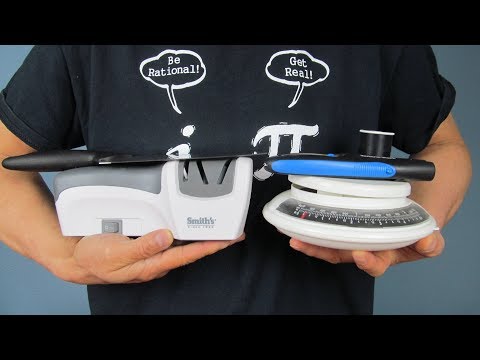
Two widely available sharpening tools were evaluated: the Samurai Shark Knife Sharpener, a compact manual pull-through sharpener with carbide and ceramic stages, and the Smith’s Compact Electric Knife Sharpener, which uses rotating abrasive wheels to grind and hone the edge. Both are marketed toward home cooks who want a quick, convenient way to maintain their kitchen knives without the learning curve of whetstones.
The Objective Testing Method
What makes this evaluation unique is the testing methodology. Rather than relying on subjective assessments like “it feels sharper,” Dr. Zhang uses a measurable, repeatable test to evaluate sharpness before and after using each sharpening tool. This approach eliminates personal bias and provides data that anyone can replicate at home.
Results and Observations
Both sharpening tools improved the sharpness of a dull kitchen knife. The manual Samurai Shark required more passes but offered finer control. The Smith’s electric sharpener produced faster results with less effort but may remove more material over time.
Do sharpening tools damage knives? Any sharpening process removes a small amount of metal. For routine maintenance, a honing steel or fine ceramic stage is sufficient. Save aggressive carbide stages for truly dull knives.
How much do they cost? Both products are available for under $30, paying for themselves after just a few uses compared to professional sharpening services.
Does it take a long time? With either product, you can noticeably improve a knife’s edge in under two minutes.
Practical Tips for Knife Maintenance
Beyond sharpening, proper knife care prevents premature dulling. Use a cutting board made of wood or plastic rather than glass or marble. Hand wash your knives instead of using a dishwasher. Store knives properly using a magnetic strip or blade guard.
For more practical DIY tips, check out our guide on how to peel garlic easily without special tools. If you enjoy our objective testing approach, you might also appreciate our windshield crack repair experiment.
Knife sharpening tools do work, they are affordable, and they do not damage your knives when used properly. Keeping your knives sharp is safer, more efficient, and makes cooking significantly more enjoyable.