 Genius Asian
 Watch the Construction of Solar Panel Power System
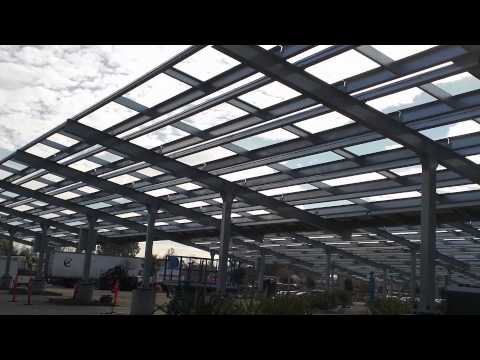
Watch the Construction of a Residential Solar Panel Power System
Key Takeaways
- This time-lapse style video documents the complete installation of a residential solar panel system
- The entire installation process took more than four months, from September through January
- Solar panel installation involves more than just mounting panels — electrical work, permitting, and inspection add to the timeline
- Watching the full construction process gives homeowners realistic expectations about what to expect
- Despite the long timeline, the end result is a functioning clean energy system that reduces electricity costs
What This Video Shows
If you have ever considered installing solar panels on your home, this video gives you a front-row seat to the entire process. Filmed over more than four months, it documents the construction of a residential solar power system from start to finish. No marketing glossiness here — just the real, sometimes slow, process of turning a regular roof into a power-generating surface.
The video captures every phase: the initial roof assessment, the mounting hardware installation, the panel placement, the electrical connections, and the final inspection. What strikes you immediately is how many different steps and trades are involved in what seems like a straightforward project.
The Reality of Solar Installation Timelines
One of the most honest aspects of this video is the acknowledgment of how long the process took. Four months from start to completion is not unusual for residential solar, but it is much longer than most marketing materials suggest.
The timeline breaks down roughly as follows:
- Permitting and planning: Several weeks of paperwork, engineering reviews, and approvals
- Roof preparation: Ensuring the roof structure can support the additional weight
- Mounting system installation: The rails and brackets that hold the panels
- Panel installation: The actual placement and wiring of the solar panels
- Electrical work: Connecting the system to your home’s electrical panel and the grid
- Inspection and activation: Final city inspection and utility company approval
Each of these steps has its own potential delays. Weather, permit backlogs, equipment availability, and scheduling all contribute to the extended timeline.
What Homeowners Should Know
Watching this construction process reveals several things that most solar sales presentations do not mention:
- Your roof will be a construction zone for weeks, with workers coming and going
- The installation is louder and more disruptive than you might expect
- There will be periods of waiting between phases where nothing appears to happen
- The final result looks clean and professional, even if the process felt messy
Despite these realities, solar panel installation remains one of the most impactful home improvements available. The system generates clean electricity, reduces utility bills, and increases property value.
Is Solar Worth It?
The value of solar depends on your location, roof orientation, local electricity rates, and available incentives. But for many homeowners, the math works out favorably over time. The key is going in with realistic expectations about the installation process and timeline.