 Genius Asian
 'Water Tai Chi Dialogue', Excerpts in English, Part 3
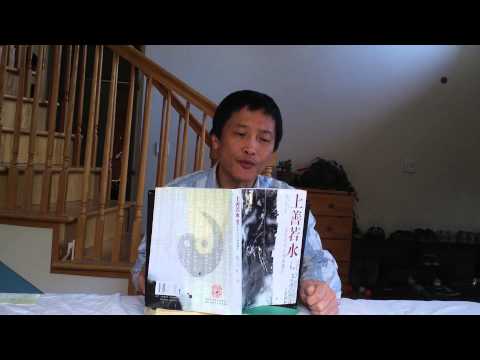
Water Tai Chi Dialogue: English Translation Excerpts Part 3
Key Takeaways
- Part 3 covers section 3 of the foundational text, pages 22-30
- The content deepens the philosophical discussion introduced in previous parts
- Captions (CC) provide the full translated text for reading along
- The translation project continues bridging the gap between Chinese and English Tai Chi communities
- Each section builds on previous concepts while introducing new dimensions of Water Tai Chi philosophy
What This Video Shows
The third installment of the Water Tai Chi Dialogue translation series covers pages 22 through 30 of the original Chinese text. As the book progresses, the conversations between Master Zhuanghong Wang and his students move into deeper territory, building on the foundations established in the first two sections.
This section is particularly valuable because it begins to address questions that arise naturally from practice. The students in the original dialogue have been training and encountering real challenges, and Master Wang’s responses address these practical concerns with philosophical depth.
The Deepening Conversation
By the third section, the dialogue has moved beyond introductory concepts. The students are no longer asking “what is Water Tai Chi” but rather “how do I deal with this specific problem in my practice?” This shift makes the content increasingly relevant to practitioners who have begun their own training.
The questions and answers cover territory that every serious practitioner will encounter:
- How to handle plateaus in skill development
- The relationship between physical technique and internal awareness
- When to push forward in training versus when to rest and integrate
- How to recognize genuine progress versus superficial change
The Value of Translated Dialogue
What makes this series special is not just the content but the format. A translated textbook would give you the information. A translated dialogue gives you the context. You hear the student’s confusion, the master’s patience, and the gradual unfolding of understanding that happens in real teaching relationships.
This format also reveals that great masters do not always give straight answers. Sometimes Master Wang redirects a question, answers a different question than what was asked, or challenges the student to find their own answer. These teaching moments are as instructive as the explicit content.
Continuing the Journey
The translation series continues to grow, with each part adding new depth to the accessible body of Water Tai Chi philosophy in English. For the next installment, see Part 4. For the beginning of the series, start with Part 1.
The Art of Reading Martial Arts Philosophy
Engaging with translated martial arts texts requires a different approach than reading technical manuals or novels. Here are guidelines for getting the most from these philosophical dialogues:
Read With Your Body: After reading a concept, stand up and try to feel it in your body. Martial arts philosophy is not meant to remain intellectual — it describes physical experiences. The words are pointing at something your body can verify.
Accept Ambiguity: Some concepts will not make sense immediately, and that is perfectly fine. In traditional teaching, certain ideas are planted like seeds that germinate over months or years of practice. Let the unclear passages sit without forcing an interpretation.
Cross-Reference With Practice: The most productive reading happens when you bring specific practice questions to the text. “Why does my push hands feel stuck?” is a better question to bring to these dialogues than a general desire to learn philosophy.
Discuss With Others: Different practitioners will interpret the same passage differently based on their experience. These differences are not contradictions — they are reflections of the richness of the original teaching. Discussion reveals dimensions you cannot see alone.
Return Periodically: The same passage will mean different things to you at different stages of development. What seems abstract today may become your most important insight next year. Keep these translations accessible for periodic re-reading.