 Genius Asian
 'Water Tai Chi Dialogue', Excerpts in English, Part 7
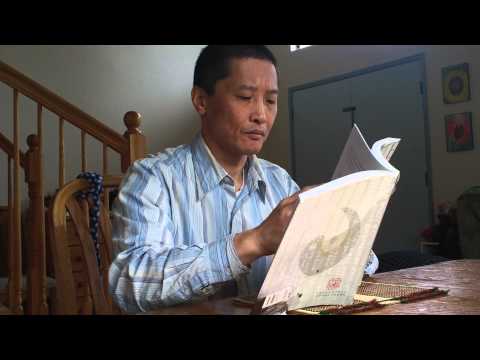
Water Tai Chi Dialogue: English Translation Excerpts Part 7
Key Takeaways
- Part 7 covers the largest section yet, pages 74-93 of the original Chinese text
- This substantial section delves into advanced teaching and practice concepts
- Captions (CC) available for the complete translated text
- The depth of content makes this section particularly valuable for serious practitioners
- The translation continues to bridge the language gap for English-speaking Water Tai Chi students
What This Video Shows
Part 7 is one of the most substantial installments in the Water Tai Chi Dialogue series, covering pages 74 through 93 of the original text. This significant chunk of material provides one of the most comprehensive looks at Master Zhuanghong Wang’s teaching philosophy and methodology.
The extended section allows for deeper exploration of topics that shorter sections could only introduce. Concepts are developed more fully, with multiple examples and clarifications that help readers grasp the nuances of the teaching.
The Value of Extended Dialogue
Longer sections of dialogue often capture the most valuable teaching moments. Short exchanges can introduce concepts, but it is in the extended back-and-forth between master and student that real understanding develops. The student asks follow-up questions, the master provides different angles on the same idea, and gradually the concept crystallizes.
This Part 7 section appears to contain several such extended exchanges, making it particularly rewarding for careful study.
The Complete Translation Series
With eight parts covering the full text, this translation series represents hundreds of hours of work — reading, interpreting, translating, and producing the video content. The result is a resource that did not exist before in the English-speaking Tai Chi world. For serious practitioners of Water Tai Chi, this series provides direct access to the founder’s teaching philosophy, transmitted through dialogue that captures the nuance and context that a formal textbook could never convey. The translation series nears its conclusion with Part 7 covering such a large portion of the text. For the final section, see Part 8. For the beginning of the series, start with Part 1.
The Art of Reading Martial Arts Philosophy
Engaging with translated martial arts texts requires a different approach than reading technical manuals or novels. Here are guidelines for getting the most from these philosophical dialogues:
Read With Your Body: After reading a concept, stand up and try to feel it in your body. Martial arts philosophy is not meant to remain intellectual — it describes physical experiences. The words are pointing at something your body can verify.
Accept Ambiguity: Some concepts will not make sense immediately, and that is perfectly fine. In traditional teaching, certain ideas are planted like seeds that germinate over months or years of practice. Let the unclear passages sit without forcing an interpretation.
Cross-Reference With Practice: The most productive reading happens when you bring specific practice questions to the text. “Why does my push hands feel stuck?” is a better question to bring to these dialogues than a general desire to learn philosophy.
Discuss With Others: Different practitioners will interpret the same passage differently based on their experience. These differences are not contradictions — they are reflections of the richness of the original teaching. Discussion reveals dimensions you cannot see alone.
Return Periodically: The same passage will mean different things to you at different stages of development. What seems abstract today may become your most important insight next year. Keep these translations accessible for periodic re-reading.