
video

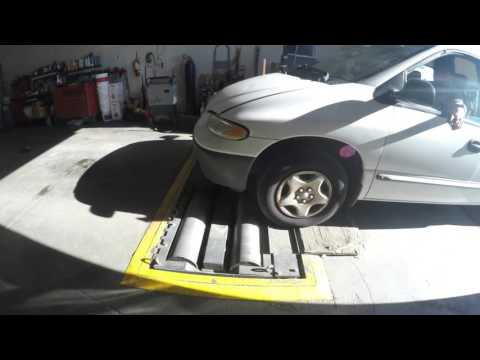
What is Done to Your Car During Yearly Smog Check?
By Genius Asian Updated

What Happens to Your Car During a Yearly Smog Check

Key Takeaways

  • A smog check involves multiple tests to verify your car meets emissions standards
  • The OBD-II diagnostic port is used to check for stored error codes and verify emission system readiness
  • A visual inspection checks for modified or missing emission components
  • Some states require a tailpipe emissions test measuring specific pollutants
  • Understanding the process helps you prepare and avoid unnecessary failures

The Smog Check Process

Many car owners drop off their vehicle for a smog check without understanding what actually happens. Knowing the process helps you prepare your car and understand what a failure means.

OBD-II Diagnostic Scan: The technician connects to your car’s On-Board Diagnostics port (typically under the dashboard) and reads stored error codes and system readiness monitors. If your check engine light is on, you will fail. If emission-related monitors are “not ready” (common after a battery replacement or recent repair), you may also fail.

Visual Inspection: The technician checks that all required emission components are present and unmodified. This includes the catalytic converter, EGR valve, PCV valve, gas cap, and other emission control devices. Aftermarket modifications that remove or bypass these components cause failure.

Tailpipe Test: Some states and vehicle types require a direct measurement of exhaust gases. The probe measures hydrocarbons, carbon monoxide, nitrogen oxides, and other pollutants. Your car must be below specified limits for its model year.

Preparing for Success

Drive your car for at least 15-20 minutes before the test to ensure the engine and catalytic converter are at operating temperature. Make sure the check engine light is off and all required maintenance is current. If you recently had a battery disconnection or repair, drive several hundred miles to allow the OBD monitors to complete their self-tests.

The Value of DIY Car Maintenance

Learning to perform basic car maintenance saves significant money over the life of your vehicle. A professional oil change costs $40 to $80, while doing it yourself costs $20 to $30 in materials. Brake pad replacement that costs $200 to $400 at a shop can be done for $30 to $60 in parts. Over a decade of ownership, these savings can total thousands of dollars.

Beyond the financial benefits, performing your own maintenance gives you a deeper understanding of how your vehicle works. You notice problems earlier, make more informed decisions about repairs, and develop confidence in your ability to handle roadside emergencies. The tools needed for basic maintenance are a modest one-time investment that serves you for years.

Start with simple tasks like oil changes, air filter replacement, and wiper blade installation. As your confidence grows, move to brake pads, spark plugs, and fluid changes. Keep a maintenance log of every service performed, including dates, mileage, and parts used. This record is valuable for tracking your vehicle’s needs and adds to its resale value.

The Value of DIY Car Maintenance

Learning to perform basic car maintenance saves significant money over the life of your vehicle. A professional oil change costs $40 to $80, while doing it yourself costs $20 to $30 in materials. Brake pad replacement that costs $200 to $400 at a shop can be done for $30 to $60 in parts. Over a decade of ownership, these savings can total thousands of dollars.

Beyond the financial benefits, performing your own maintenance gives you a deeper understanding of how your vehicle works. You notice problems earlier, make more informed decisions about repairs, and develop confidence in your ability to handle roadside emergencies. The tools needed for basic maintenance are a modest one-time investment that serves you for years.

Start with simple tasks like oil changes, air filter replacement, and wiper blade installation. As your confidence grows, move to brake pads, spark plugs, and fluid changes. Keep a maintenance log of every service performed, including dates, mileage, and parts used. This record is valuable for tracking your vehicle’s needs and adds to its resale value. For more car content, check out our guide on changing transmission fluid or learn about bleeding brake fluid on a Honda Accord.

Watch on YouTube →