 Genius Asian
 2 minutes Install Without Plumbing Change: Cheapest & Easiest Removable Kitchen Gray Water System
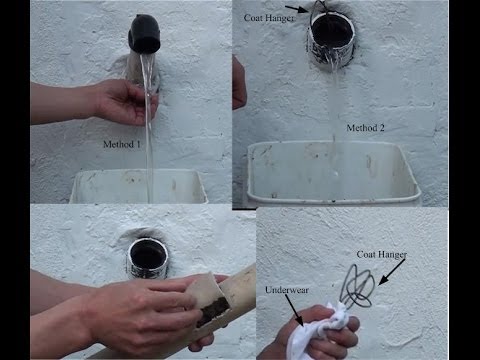
2 minutes Install Without Plumbing Change: Cheapest & Easiest Removable Kitchen Gray Water System
Key Takeaways
- A removable gray water system for the kitchen can be installed in 2 minutes with no plumbing skills required
- The system diverts kitchen sink water for reuse on gardens and landscaping
- No permanent plumbing modifications are needed — the system is completely removable
- This is one of the cheapest water conservation methods available, potentially costing nothing if you use materials on hand
- Gray water from kitchen sinks is suitable for irrigating non-edible plants and landscaping
What Is Gray Water
Gray water is gently used household water from sinks, showers, and laundry — as opposed to “black water” from toilets. Kitchen sink gray water contains food particles, soap, and cooking residue, making it unsuitable for drinking but perfectly adequate for irrigating landscaping, trees, and non-edible plants.
In regions experiencing drought or water restrictions, reusing gray water for irrigation can significantly reduce household water consumption. Even in areas without water shortages, gray water reuse reduces the burden on municipal water treatment systems and lowers water bills.
The 2-Minute Installation
The beauty of this system is its simplicity. No pipes are cut, no fittings are glued, and no plumbing knowledge is required. The system connects to the existing kitchen sink drain using a removable adapter and redirects water through a hose to the outdoor area where it is needed.
Materials
- A hose adapter that fits over the sink drain tailpiece
- A standard garden hose or flexible tubing
- Hose clamps for secure connections
- A way to route the hose through a window or wall opening to the outside
Installation Steps
- Disconnect the P-trap from the sink drain tailpiece (the vertical pipe coming down from the sink)
- Attach the hose adapter to the tailpiece
- Connect the hose to the adapter and route it to the garden
- Secure all connections with hose clamps
To restore normal plumbing, simply reverse the process — reconnect the P-trap and remove the hose adapter. The entire swap takes under two minutes in either direction.
When to Use It
The gray water diversion system works best during warm months when gardens need frequent watering, when washing large amounts of dishes by hand, and during drought restrictions when outdoor watering is limited. During winter or when garden watering is not needed, reconnect the standard plumbing and use the gray water system’s components for the next season.
Important Considerations
Kitchen gray water should only be used on non-edible plants and landscaping, not on vegetable gardens or fruit trees. Do not store gray water for more than 24 hours, as bacteria can multiply rapidly. Avoid using water that contains bleach or harsh chemical cleaners. And be mindful of local regulations — some jurisdictions have specific rules about gray water use.
The cost savings depend on your water usage and local water rates, but for most households, diverting even a fraction of kitchen water to the garden represents measurable savings over a watering season.
Water Quality Considerations
Kitchen gray water quality varies depending on what activities produced it. Water from rinsing vegetables and fruits is the cleanest and most plant-friendly. Water from washing dishes with biodegradable soap is acceptable for most landscaping use. Water containing bleach, antibacterial chemicals, or strong detergents should not be used on plants as these substances can harm soil biology and plant health. If you regularly use harsh cleaning chemicals in your kitchen, consider a two-bucket system: capture clean rinse water for the garden and let the chemical-laden wash water go down the regular drain. Alternating between gray water irrigation and regular watering prevents salt and soap buildup in the soil. Many plants thrive on the minor nutrients present in kitchen gray water, particularly established shrubs and trees whose root systems are deep enough to tolerate occasional variations in water quality.
For more water conservation and home improvement tips, see how to do bathtub caulking and how to peel garlic easily.