
video

3 Key Factors To Speed Up Oil Extraction-Engine Oil Change
By Genius Asian Updated

3 Key Factors To Speed Up Oil Extraction-Engine Oil Change

Key Takeaways

  • If you use the method of oil extraction, one big concern is the long time to complete the engine oil change
  • I will share with you 3 key factors to speed up your oil extraction as well other tips to make the engine oil change easier
  • The most difficult DIY oil change is getting underneath the car to drain the old oil, and most people hate sliding under the car and getting their hands covered with dirty oil
  • Also, wrestling with a stubborn drain plug bolt is a common problem and risks damaging the oil plug
  • Now these are no longer issues, and I also make the DIY super cheap (it’s free) and fast

Why This Matters

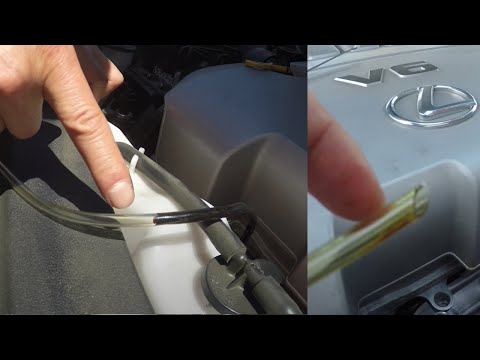
If you use the method of oil extraction, one big concern is the long time to complete the engine oil change. I will share with you 3 key factors to speed up your oil extraction as well other tips to make the engine oil change easier. The most difficult DIY oil change is getting underneath the car to drain the old oil, and most people hate sliding under the car and getting their hands covered with dirty oil. Also, wrestling with a stubborn drain plug bolt is a common problem and risks damaging the oil plug. Now these are no longer issues, and I also make the DIY super cheap (it’s free) and fast! Please share it with your friends. Oil extraction additionally has advantages if your oil filter is mounted on the top, and it removes the possibility of removing the drain plug only to have hot oil gush onto your hand. We think the oil extractor makes the operation easy, but if you do decide to do the traditional way, we have a different video to make it a little easier for you: Maybe some people will still do the old-fashioned way, but I hope this method will enable other people who otherwise would not DIY. Some people may question the advantages of this method. You may not get all the oil out, you may not remove all the debris out etc. The counter argument is: but the oil filter will hold most of the debris. The oil is changed hot which means the debris doesn’t really have time to settle. Plus no matter what you do , there is still oil left in the engine, oil left in the pan. What do you think? Is draining better? Do you get most oil out? Does 2 cups of oil left in the engine really matter? Post your thoughts in the comments below. We understand you may not like to extract the oil for various different reasons, but this video is for those people who already want to extract the oil, and how to speed up the process. Another video shows a complete oil change using this extractor on a Lexus ES350 2014 URL here: Engine oil change related topics: How To Pour Engine Oil | NO FUNNEL,NO TOOLS The Cheapest Oil Change Using Zero-Cost DIY Tools 3 Key Factors To Speed Up Oil Extraction-Engine Oil Change DIY: Cheapest Engine Oil Extractor, Drain Fluid Easily and Free Easiest Way To Change Lexus ES350 Oil and Filter 6 Steps To Change Canister Type Oil Filter (Lexus ES 350) How to Change Engine Oil For Honda Accord 4 Ways To Make An Engine Oil Funnel & 2 Ways To Pour Oil Clean and Cheap Way to Change Engine Oil (Subaru Example) Other cheap tricks see below links: How to Raise or Lift a Car without Jack without Stand N Ways To Remove An Oil Filter Without Special Tool

Understanding the Basics

Oil extraction works by inserting a thin tube down the dipstick hole into the oil pan, then using either a manual pump or an electric vacuum to pull the old oil up and out. The method is particularly advantageous if your vehicle has a top-mounted oil filter, since you can complete the entire oil change from above without raising the car. The process is cleaner because there is no risk of hot oil gushing onto your hands from a drain plug, and there is no need to wrestle with a potentially stripped drain bolt.

The DIY Advantage

Doing your own oil changes saves significant money over time. A typical shop charges $50 to $100 for a standard oil change, while the oil and filter cost only $20 to $35. Over the life of a vehicle, that adds up to hundreds or even thousands of dollars in savings. Oil extraction makes this DIY task accessible even if you do not own ramps or a jack and stands.

Tips for Best Results

Warm the engine before extraction — warm oil flows much faster and more completely than cold oil. Use the correct diameter extraction tube for your dipstick hole to maximize suction efficiency. Make sure the tube reaches all the way to the bottom of the oil pan. Run the extraction after the car has been sitting for a minute or two so oil has drained back to the pan but is still warm.

More Practical Guides

Oil extraction is one of those techniques that seems unusual the first time but quickly becomes the preferred method once you experience how clean and fast it is.

For more hands-on tutorials, check out our guides on changing transmission fluid and replacing front brake pads. Each one follows the same practical, no-nonsense approach to help you save money and build useful skills.

Watch on YouTube →