 Genius Asian
 3 Ways To Make Dental Floss Non-Slip – Better Than Current Method – Fastest, Easiest, Shortest
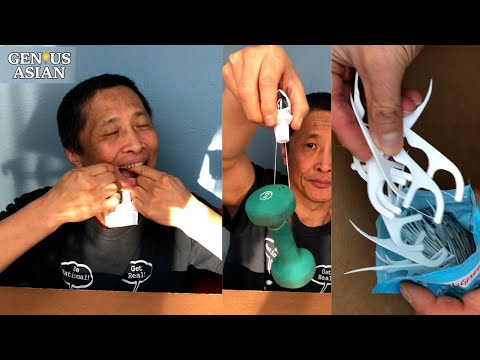
3 Ways To Make Dental Floss Non-Slip – Better Than Current Method – Fastest, Easiest, Shortest
Key Takeaways
- The traditional finger-wrapping method for dental floss can be significantly improved with a simple non-slip technique
- Three methods are presented: a strong non-slip grip, an arthritic-friendly approach, and an optimized disposable holder method
- The non-slip technique requires no extra time or money and guarantees the floss stays put
- Better flossing technique accumulates real benefits since flossing is a daily routine performed 365 times per year
- Reducing cost and waste from disposable floss holders is achievable with minor modifications
Why Flossing Technique Deserves Attention
Flossing is a daily activity most people do on autopilot, never questioning whether their technique could be improved. But small inefficiencies compound dramatically over thousands of repetitions. If floss keeps slipping from your fingers, you waste time re-wrapping. If you use disposable floss holders, the cost and environmental impact accumulate over years. At roughly 2-3 minutes per session and 365 sessions per year, even modest improvements in technique yield significant time savings and better dental outcomes.
The American Dental Association recommends daily flossing as essential for preventing gum disease and cavities between teeth — areas that brushing alone cannot reach. Yet many people skip flossing because they find it frustrating, messy, or time-consuming. These three methods address the most common frustrations head-on.
Method 1: The Strong Non-Slip Grip
The most common complaint about traditional flossing is that the floss slips off your fingers, especially as your hands become wet with saliva. The standard advice is to wrap the floss tightly around your index or middle fingers, but this can cut off blood circulation, leave indentations in your skin, and still does not prevent slipping reliably.
The non-slip method demonstrated in this video involves a specific wrapping pattern that locks the floss in place mechanically. Rather than simply winding the floss around your finger in one direction, you create a loop configuration that tightens under tension — the harder you pull, the tighter the grip becomes, similar to a Chinese finger trap.
How It Works
- Wrap the floss around one finger as usual for the anchor end
- On the working hand, create the specific loop configuration shown at the 0:00 mark
- Pull to test — the floss should be completely immovable even when wet
- Adjust the working length by releasing and re-wrapping as you move between teeth
The key advantage is eliminating all grip-related frustration, freeing your attention to focus on the actual cleaning rather than constantly readjusting. This alone makes flossing faster and more thorough.
Method 2: For Arthritis and Caregivers
For people with arthritis, limited hand dexterity, or caregivers who need to floss someone else’s teeth, the traditional wrapping method can be painful or physically impossible. Method 2 demonstrates a DIY reusable floss holder constructed from simple household materials.
This approach provides the firm grip of a commercial floss holder without the recurring cost of buying disposable units. The holder can be operated one-handed and requires no fine motor control to load or use — making it practical for people whose conditions make traditional flossing painful or impractical.
Method 3: Optimizing Disposable Floss Holders
Disposable floss picks are popular because they are undeniably convenient — grab one, use it, toss it. However, they have two significant drawbacks: ongoing cost and environmental waste. A bag of floss picks costs a few dollars, but over years of daily use, the expense adds up to hundreds of dollars that could be spent elsewhere.
Method 3 demonstrates how to reduce cost by selecting the most material-efficient holder designs, minimize the amount of floss used per session, and improve the cleaning quality achieved from each disposable pick through better technique.
The Financial Argument for Better Flossing
Consider the dental costs that effective flossing helps avoid. A single cavity filling costs $200-500 depending on location and material. Gum disease treatment can run into thousands of dollars. Root canals and crowns cost even more. Investing a few minutes to learn a better flossing technique is genuinely one of the highest-return health investments available to anyone.
For more daily life tips, check out how to peel garlic easily and picking a watermelon like a pro.