 Genius Asian
 How To Pick A Watermelon Like A Pro In 10 minutes
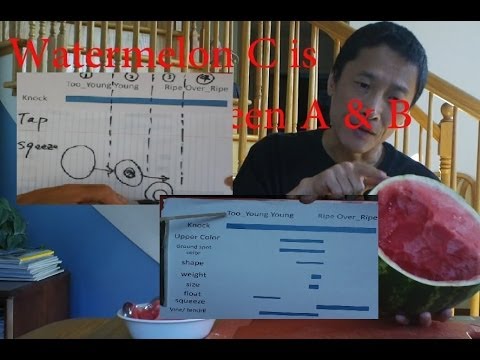
How To Pick A Watermelon Like A Pro In 10 minutes
Key Takeaways
- Selecting a ripe, sweet watermelon is a learnable skill, not guesswork
- Several reliable indicators help you choose the best watermelon in the store or market
- The field spot (the yellow patch on the bottom) is the single most reliable indicator of ripeness
- Weight relative to size, sound when tapped, and surface characteristics all provide additional clues
- Once you know what to look for, selection takes under a minute per watermelon
The Selection Challenge
Watermelons are one of the few common fruits that you cannot taste before buying. Unlike peaches, grapes, or berries where visual ripeness is often apparent, watermelons hide their quality behind a thick green rind. This makes selection feel like a gamble — and bad watermelons (mealy, bland, or underripe) are genuinely disappointing given the size and cost of the fruit.
The good news is that experienced growers and produce workers use a consistent set of indicators to select ripe watermelons, and you can learn these indicators in about 10 minutes.
Indicator 1: The Field Spot
The field spot is the pale patch on the watermelon where it rested on the ground while growing. This is the single most reliable indicator of ripeness.
Creamy yellow to orange field spot: Indicates the watermelon sat on the vine long enough to ripen fully. The deeper the yellow-orange color, the longer it ripened and the sweeter it is likely to be.
White or pale green field spot: Indicates the watermelon was picked before full ripeness. The flesh inside is likely to be less sweet and potentially mealy in texture.
No field spot visible: The watermelon may have been turned during growth or picked very early. Proceed with caution or choose another one.
Indicator 2: Weight
Pick up the watermelon and compare its weight to others of similar size. A ripe watermelon should feel heavy for its size because it has high water content (over 90 percent). A watermelon that feels lighter than expected may be underripe or may have internal hollow spaces.
Indicator 3: The Knock Test
Tap the watermelon with your knuckles and listen to the sound. A ripe watermelon produces a deep, hollow sound — like tapping on a drum. An underripe watermelon produces a higher-pitched, denser sound. An overripe watermelon may sound dull and flat.
This test takes practice to calibrate, but after comparing the sounds of a few watermelons, the differences become apparent.
Indicator 4: Surface Characteristics
Dull surface: A matte, slightly rough surface indicates ripeness. A shiny, smooth surface suggests underripeness.
Sugar spots and webbing: Brown, rough patches on the surface (sometimes called sugar spots or bee stings) indicate places where sugar seeped through the rind. More webbing generally correlates with more sugar.
Uniform shape: Choose watermelons with a regular, symmetrical shape. Irregular bumps or flat spots can indicate inconsistent watering or growing conditions that affect flavor.
Indicator 5: Stem Condition
If the stem is still attached, check whether it is green (picked recently, possibly before full ripeness) or brown and dried (ripened longer on the vine before harvest).
Putting It All Together
The field spot alone gets you 80 percent of the way to a good watermelon. Adding the weight test gets you to 90 percent. The knock test, surface inspection, and stem check provide the final refinement. With practice, the entire evaluation takes under 30 seconds per watermelon.
Common Misconceptions
Several popular watermelon selection tips are actually unreliable. Shaking the watermelon to hear water sloshing inside is not a useful indicator since all watermelons contain water and the sloshing sound does not correlate with ripeness. Pressing your thumbnail into the rind to test firmness can damage the melon and does not reliably indicate internal quality. The theory that male watermelons (elongated) are watery while female watermelons (round) are sweeter has no scientific basis — watermelon plants produce fruit of varying shapes based on genetics and growing conditions, not gender. And checking for bee stings (small dark spots on the rind) as an indicator of sweetness is only partially reliable since these spots indicate insect activity, which may or may not correlate with sugar content. Stick with the proven indicators: field spot color, relative weight, hollow sound, and dull surface for consistent results.
For the best cutting techniques, see our least messy watermelon cutting series and clean eating techniques.