
3rd Time Attaching Rearview Mirror-- Glue attached to windshield using 5 minute epoxy
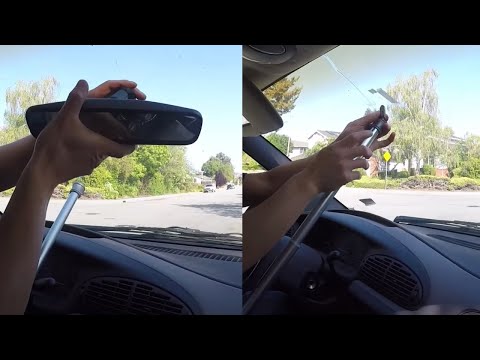
Third Time Attaching the Rearview Mirror Using 5-Minute Epoxy
Key Takeaways
- This is the third attempt at attaching a rearview mirror to the windshield, this time using 5-minute epoxy
- Standard rearview mirror adhesive kits failed in previous attempts
- 5-minute epoxy provides a stronger, more durable bond for this application
- Proper surface preparation remains critical regardless of the adhesive used
- The faster cure time of 5-minute epoxy makes the repair more convenient
Third Time’s the Charm
After two previous attempts using standard rearview mirror adhesive kits, the mirror fell off again. This time, a different approach was needed. Instead of the specialized but apparently insufficient mirror adhesive, 5-minute epoxy was chosen for its superior bonding strength on glass surfaces.
Why Epoxy Instead of Mirror Adhesive
Standard rearview mirror adhesive kits contain a two-part system (primer and adhesive) specifically designed for the glass-to-metal bond. In theory, they should work perfectly. In practice, the bond can fail due to temperature extremes in the car, vibration from road driving, UV degradation over time, or imperfect surface preparation.
Five-minute epoxy offers several advantages: a stronger ultimate bond strength, better resistance to vibration, and a track record of durability in various bonding applications. The trade-off is that it takes slightly more care to apply cleanly.
The Repair Process
Clean both surfaces thoroughly with isopropyl alcohol, removing all traces of old adhesive. Lightly sand the metal bracket to improve adhesion. Mix equal parts of the two epoxy components. Apply to the bracket and press firmly against the marked position on the windshield. Hold for five minutes until the initial cure is complete. Wait 24 hours before hanging the mirror for full strength.
Results
This third attempt proved successful, with the mirror staying attached through all conditions. The 5-minute epoxy provided a noticeably more solid feel compared to the previous adhesive attempts.
The Value of DIY Car Maintenance
Learning to perform basic car maintenance saves significant money over the life of your vehicle. A professional oil change costs $40 to $80, while doing it yourself costs $20 to $30 in materials. Brake pad replacement that costs $200 to $400 at a shop can be done for $30 to $60 in parts. Over a decade of ownership, these savings can total thousands of dollars.
Beyond the financial benefits, performing your own maintenance gives you a deeper understanding of how your vehicle works. You notice problems earlier, make more informed decisions about repairs, and develop confidence in your ability to handle roadside emergencies. The tools needed for basic maintenance are a modest one-time investment that serves you for years.
Start with simple tasks like oil changes, air filter replacement, and wiper blade installation. As your confidence grows, move to brake pads, spark plugs, and fluid changes. Keep a maintenance log of every service performed, including dates, mileage, and parts used. This record is valuable for tracking your vehicle’s needs and adds to its resale value.
The Value of DIY Car Maintenance
Learning to perform basic car maintenance saves significant money over the life of your vehicle. A professional oil change costs $40 to $80, while doing it yourself costs $20 to $30 in materials. Brake pad replacement that costs $200 to $400 at a shop can be done for $30 to $60 in parts. Over a decade of ownership, these savings can total thousands of dollars.
Beyond the financial benefits, performing your own maintenance gives you a deeper understanding of how your vehicle works. You notice problems earlier, make more informed decisions about repairs, and develop confidence in your ability to handle roadside emergencies. The tools needed for basic maintenance are a modest one-time investment that serves you for years.
Start with simple tasks like oil changes, air filter replacement, and wiper blade installation. As your confidence grows, move to brake pads, spark plugs, and fluid changes. Keep a maintenance log of every service performed, including dates, mileage, and parts used. This record is valuable for tracking your vehicle’s needs and adds to its resale value. For more car repair content, check out our guide on windshield crack repair or learn about rearview mirror repair.