 Genius Asian
 4 Solutions When Charging Gun at EV Stations Won't Release EV Car
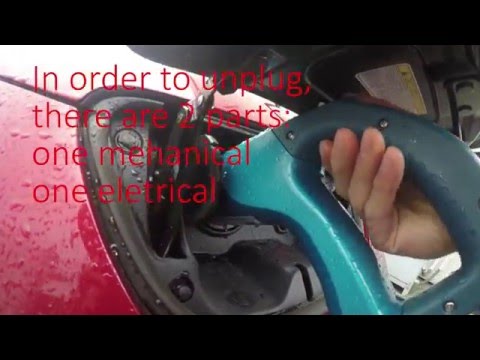
4 Solutions When the Charging Gun Won’t Release From Your EV
Key Takeaways
- A stuck charging connector is a common and stressful problem for EV drivers
- Four different solutions address different causes of the stuck connector
- The car’s locking mechanism, charger software, temperature, and mechanical issues can all cause the problem
- Knowing these solutions in advance prevents panic when it happens to you
- Never use excessive force, which can damage both the connector and your car’s charging port
Why Connectors Get Stuck
EV charging connectors have a locking mechanism that prevents accidental disconnection during charging. Sometimes this lock fails to release when charging is complete, leaving you physically unable to disconnect your car from the station. The causes vary, and so do the solutions.
Solution 1: Use the Car’s Release Mechanism
Most EVs have a manual connector release that can be triggered from inside the car. On the Nissan Leaf, this may involve pressing a specific button combination or using a physical release near the charging port. Check your owner’s manual for the exact procedure.
Solution 2: Stop the Charging Session
Sometimes the connector remains locked because the charger’s software still thinks charging is in progress. End the session through the charger’s touchscreen or the charging network’s phone app. Once the session officially ends, the lock should release.
Solution 3: Temperature-Related Fixes
In cold weather, ice can form around the connector, physically preventing release. Pouring warm (not hot) water around the connector can melt the ice. In extreme heat, plastic components may expand slightly and bind. Letting the car cool in shade may help.
Solution 4: Call for Help
If none of the above work, call the charging network’s support number (printed on the charger) or your car manufacturer’s roadside assistance. They may be able to remotely release the lock or dispatch a technician.
The Evolving EV Charging Landscape
The electric vehicle charging infrastructure continues to expand and improve. New charging networks are being built, existing stations are being upgraded to faster speeds, and the user experience is gradually becoming more standardized. Payment systems are moving toward simpler tap-to-pay methods, and apps now provide real-time availability information that reduces the frustration of arriving at an occupied or broken station.
For new EV owners, the learning curve is steeper than it needs to be. Each charging network still has its own authentication system and interface quirks. Connector standards vary between manufacturers (CHAdeMO, CCS, Tesla). Pricing structures range from per-kilowatt-hour to per-minute to session-based. Taking time to learn these differences before you need to charge in a hurry saves significant frustration.
Home charging remains the most convenient and cost-effective option for most EV owners. Installing a Level 2 charger in your garage, powered by a dedicated 240-volt circuit, provides overnight charging that covers the vast majority of daily driving needs. Public charging then becomes supplementary rather than primary, reducing the stress of relying on an imperfect public network.
The Evolving EV Charging Landscape
The electric vehicle charging infrastructure continues to expand and improve. New charging networks are being built, existing stations are being upgraded to faster speeds, and the user experience is gradually becoming more standardized. Payment systems are moving toward simpler tap-to-pay methods, and apps now provide real-time availability information that reduces the frustration of arriving at an occupied or broken station.
For new EV owners, the learning curve is steeper than it needs to be. Each charging network still has its own authentication system and interface quirks. Connector standards vary between manufacturers (CHAdeMO, CCS, Tesla). Pricing structures range from per-kilowatt-hour to per-minute to session-based. Taking time to learn these differences before you need to charge in a hurry saves significant frustration.
Home charging remains the most convenient and cost-effective option for most EV owners. Installing a Level 2 charger in your garage, powered by a dedicated 240-volt circuit, provides overnight charging that covers the vast majority of daily driving needs. Public charging then becomes supplementary rather than primary, reducing the stress of relying on an imperfect public network. For more EV content, check out our guide on changing transmission fluid or learn about replacing front brake pads.