 Genius Asian
 5 Mistakes Made at Various EV Charging Stations
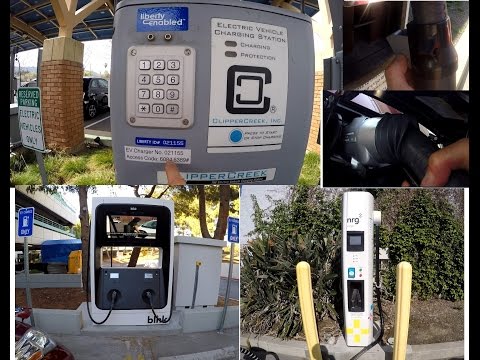
5 Mistakes Made at Various EV Charging Stations
Key Takeaways
- Different charging networks (evGo, Clipper Creek, Blink) each have different procedures and quirks
- The evGo fast charger has a tricky lever mechanism for unplugging that catches first-timers off guard
- Clipper Creek chargers require a specific order and sequence with no visible instructions
- Faulty Blink chargers can waste significant time if you do not know what normal operation looks like
- Having someone experienced nearby to explain things saves enormous frustration
Learning the Hard Way
The early EV charging experience was not standardized. Different networks used different hardware, different authentication methods, and different procedures for connecting and disconnecting. These five mistakes, made across multiple charging station brands, illustrate the learning curve every new EV owner faces.
Mistake 1: The evGo Unplug Lever
The evGo fast charger has a specific lever mechanism for releasing the charging connector. Without reading the (small) instructions printed on the unit, the connector will not release no matter how hard you pull. The solution is simple once you know it, but discovering it through trial and error is frustrating.
Mistake 2: Clipper Creek Sequence
The Clipper Creek charger requires operations in a specific order, and there were no posted instructions on how to use it. Trial and error was the only option, and fortunately someone at the station explained the correct sequence. Without that help, the charger would have appeared broken.
Mistake 3: The Faulty Blink Charger
The first Blink charger attempted was genuinely faulty. As a first-time user unfamiliar with normal Blink operation, significant time was wasted trying to figure out what was being done wrong before concluding the unit itself was the problem. A second Blink charger worked correctly and turned out to be straightforward.
Advice for New EV Owners
Read the instructions on the charger before touching anything. If possible, ask someone nearby for help. Take photos of the instructions for future reference. Know your charging networks and their typical interfaces before you need to use them in a hurry.
The Evolving EV Charging Landscape
The electric vehicle charging infrastructure continues to expand and improve. New charging networks are being built, existing stations are being upgraded to faster speeds, and the user experience is gradually becoming more standardized. Payment systems are moving toward simpler tap-to-pay methods, and apps now provide real-time availability information that reduces the frustration of arriving at an occupied or broken station.
For new EV owners, the learning curve is steeper than it needs to be. Each charging network still has its own authentication system and interface quirks. Connector standards vary between manufacturers (CHAdeMO, CCS, Tesla). Pricing structures range from per-kilowatt-hour to per-minute to session-based. Taking time to learn these differences before you need to charge in a hurry saves significant frustration.
Home charging remains the most convenient and cost-effective option for most EV owners. Installing a Level 2 charger in your garage, powered by a dedicated 240-volt circuit, provides overnight charging that covers the vast majority of daily driving needs. Public charging then becomes supplementary rather than primary, reducing the stress of relying on an imperfect public network.
The Evolving EV Charging Landscape
The electric vehicle charging infrastructure continues to expand and improve. New charging networks are being built, existing stations are being upgraded to faster speeds, and the user experience is gradually becoming more standardized. Payment systems are moving toward simpler tap-to-pay methods, and apps now provide real-time availability information that reduces the frustration of arriving at an occupied or broken station.
For new EV owners, the learning curve is steeper than it needs to be. Each charging network still has its own authentication system and interface quirks. Connector standards vary between manufacturers (CHAdeMO, CCS, Tesla). Pricing structures range from per-kilowatt-hour to per-minute to session-based. Taking time to learn these differences before you need to charge in a hurry saves significant frustration.
Home charging remains the most convenient and cost-effective option for most EV owners. Installing a Level 2 charger in your garage, powered by a dedicated 240-volt circuit, provides overnight charging that covers the vast majority of daily driving needs. Public charging then becomes supplementary rather than primary, reducing the stress of relying on an imperfect public network. For more EV content, check out our guide on changing transmission fluid or learn about replacing front brake pads.