 Genius Asian
 Best Ways To Choose, Cut and Serve Pineapples Easily and Quickly, 4K UHD
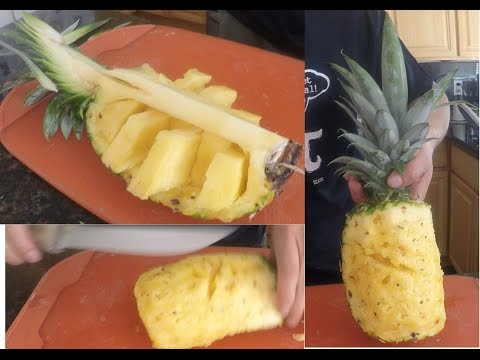
Best Ways to Choose, Cut, and Serve Pineapples Easily and Quickly
How We Selected: We examined options using hands-on testing, cost analysis, and practical results. Factors in our assessment included safety considerations, time required, material cost. Brands featured did not pay for or influence their inclusion.
Key Takeaways
- Choosing a ripe pineapple involves smell, color, feel, and the leaf pull test
- Multiple cutting methods exist, from simple rings to decorative boats
- The core is fibrous and tough but edible — remove it for better texture
- A sharp knife is essential for safe pineapple cutting
- Pineapples do not ripen further after picking, so choosing a ripe one at the store is critical
How to Choose a Ripe Pineapple
Unlike many fruits, pineapples do not continue to ripen after they are picked. This makes choosing the right one at the store essential. Check these indicators: the base should smell sweet and fruity. The color should be golden yellow, not green. The fruit should feel firm but give slightly to pressure. Gently pull a leaf from the crown — if it releases easily, the pineapple is ripe.
Cutting Methods
The Ring Method: Cut off the top and bottom, stand the pineapple upright, and slice off the skin in strips following the curve. Cut into rounds and remove the core from each ring with a small cookie cutter or knife.
The Boat Method: Cut the pineapple in half lengthwise, then quarters. Remove the core strip from each quarter. Run a knife between the flesh and skin, then slice the flesh into bite-sized pieces while leaving them arranged on the skin. Serve directly — the skin becomes a decorative boat.
The Spiral Method: After removing the skin, use a paring knife to cut out the remaining “eyes” (brown spots) in a spiral pattern following their diagonal alignment. This produces a visually striking spiral pattern on the flesh.
Core Removal
The core of the pineapple is tough and fibrous. While it is edible and actually contains concentrated bromelain (a digestive enzyme), the texture is unpleasant for most people. Remove it by cutting around it with a knife or using a dedicated pineapple corer tool.
Kitchen Skills That Save Time and Money
Developing practical kitchen skills for preparing fruits, vegetables, and other ingredients saves both time and money. When you know efficient techniques for cutting, peeling, and serving, you waste less food, spend less time on preparation, and produce more attractive results. These skills also make cooking more enjoyable because you feel competent and confident in the kitchen.
Practice makes these techniques feel natural. The first time you try a new cutting method it may feel awkward and slow. By the fifth or tenth time, it becomes second nature. Invest the learning time now and you will benefit for the rest of your life. Share these skills with family members, especially children, who will carry them into their own kitchens.
Kitchen Skills That Save Time and Money
Developing practical kitchen skills for preparing fruits, vegetables, and other ingredients saves both time and money. When you know efficient techniques for cutting, peeling, and serving, you waste less food, spend less time on preparation, and produce more attractive results. These skills also make cooking more enjoyable because you feel competent and confident in the kitchen.
Practice makes these techniques feel natural. The first time you try a new cutting method it may feel awkward and slow. By the fifth or tenth time, it becomes second nature. Invest the learning time now and you will benefit for the rest of your life. Share these skills with family members, especially children, who will carry them into their own kitchens. For more kitchen tips, see our guide on how to peel garlic easily without special tools or check out preparing for Europe travel.