 Genius Asian
 Preparing For Europe Travel
Preparing for Europe Travel: Essential Packing Tips and Practical Advice
Key Takeaways
- A good guidebook (like Rick Steves’ series) is invaluable for bus routes, ticket prices, and site-specific tips that save time on the ground.
- Use a hidden neck pouch or under-shirt travel wallet to secure your passport, credit cards, and cash against pickpockets.
- Collapsible water bottles, cheap dollar-store watches, and a lightweight scarf or shawl are small items that make a big difference.
- Do not forget a power adapter for European outlets and confirm your electronics handle 220-volt power.
- A light piece of cloth or shawl is more practical than carrying long pants for modest dress requirements at churches.
Start With a Good Guidebook
The single most important piece of preparation you can do before a Europe trip is to get a solid guidebook and actually study it before you leave. We used Rick Steves’ Mediterranean Cruise Ports for our trip, and it proved to be a genuine wealth of information. Beyond the obvious coverage of major sights, a good guidebook provides the kind of practical detail that saves you real time and frustration: which bus lines to take, how much tickets cost, where to find ticket offices, and what hours attractions are open.
That said, no guidebook is perfect. We found some discrepancies in pricing and a few instances where a ticket office had moved since the book was published. Things change, especially in heavily touristed areas. Use the guidebook as your foundation but be prepared to adapt on the ground.
The key habit is to study the book before you arrive at each destination. Know which sights you want to prioritize, understand the transportation options, and have a rough plan for how you will spend your time. The travelers who wander off the ship or out of the hotel with no plan are the ones who waste half their day figuring out logistics instead of enjoying the destination.
Keeping Your Valuables Secure
Pickpocketing and petty theft are real concerns in many European tourist destinations, particularly in crowded squares, on public transit, and around major attractions. The good news is that a few inexpensive precautions can dramatically reduce your risk.
Under-Shirt Travel Pouches
The most effective security measure is a pouch that goes under your clothing. These come in several styles:
Neck pouches hang from a cord around your neck and tuck under your shirt. They have multiple compartments for your passport, credit cards, cash, and even a ship card or hotel key. Look for ones with a Velcro or zippered closure. They run about $9 to $10 from online retailers and are worth every cent.
A practical tip for comfort: If you find the pouch hanging straight down from your neck looks awkward in photos or feels uncomfortable, try slipping the cord over your neck and under one arm, so the pouch sits across your chest like a diagonal sling. It is more comfortable, less visible, and does not show up in your photos.
A tip for hot weather: If you are traveling in summer and sweating, do not put your passport or paper money in the pocket closest to your body. They will get damp. Instead, put items you want to keep dry in the outermost compartment of the pouch, and reserve the inner pockets for plastic cards and keys that can handle a bit of moisture.
Waist Pouches and Day Bags
A zippered waist pouch worn under your shirt provides similar protection to a neck pouch. Some travelers prefer a larger day bag worn in front of the body. If you use an external bag, the critical rule is: always keep it in front of you, never on your back. In crowded areas, keep one arm draped over it.
Lanyards for Ship Cards and Keys
If you are on a cruise, a simple lanyard with a clip can hold your ship card for easy access when boarding and disembarking. Just make sure it can be tucked away when you are ashore.
Essential Small Items That Make a Big Difference
Experienced travelers know that it is often the small, inexpensive items that save you the most grief. Here is our tested list.
Collapsible Water Bottles
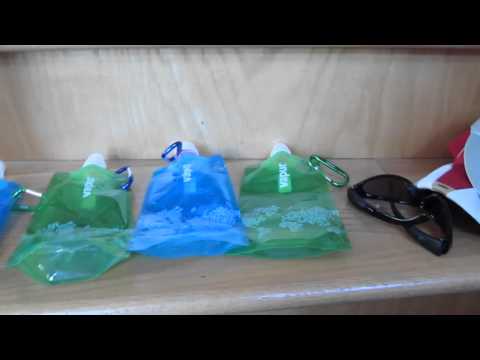
Staying hydrated in the European summer heat is critical, but buying bottled water at every stop gets expensive and wasteful. We brought collapsible water bottles that roll up flat when empty and take virtually no space in a suitcase. When you find a water fountain or a refill station, you can fill them up and clip them to your bag.
These cost a bit more than a standard plastic bottle, but the sturdier plastic lasts the entire trip and beyond. We ordered a multi-pack and color-coded the clips so each family member could tell their bottle apart.
Cheap Watches
Your phone can tell time, but pulling it out constantly in a tourist area invites theft and drains your battery. We picked up simple watches at the dollar store for $1 each. They are disposable if they get damaged, and they let you keep track of time for bus schedules, train departures, and ship boarding deadlines without pulling out your phone.
Make sure at least one person in your group has a watch with an alarm function. You may need to wake up early for excursions or shore departures, and relying solely on a phone alarm means your phone needs to be charged and nearby.
Sunglasses and a Hat
This sounds obvious, but people forget. If you are going to be walking around Mediterranean cities in July or August, a visor or cap and a good pair of sunglasses will keep you dramatically more comfortable. The difference between walking through a sun-baked piazza with and without a hat is the difference between enjoying yourself and being miserable.
Electronics and Charging
European electrical outlets use different plugs than North American ones, and the voltage is 220V rather than 110V. You need to address both issues.
Plug adapter: Bring a universal adapter or one specifically designed for European outlets (Type C or Type F for most of Western Europe). These are small, cheap, and essential.
Voltage compatibility: Most modern phone chargers, laptop chargers, and camera chargers are dual-voltage (they will say “100-240V” on the label). Check yours before you leave. If a device is only rated for 110V, you will need a voltage converter, not just a plug adapter, or you risk frying the device.
Extra memory cards: Do not forget spare memory cards for your camera. Running out of storage on day two of a ten-day trip is a painful experience. Cards are small, light, and cheap relative to the memories you will lose if you run out of space. And do not forget earphones for the airplane, as airlines will charge you if you need a pair.
For more on staying connected during your trip, check out our tips on internet access when traveling to Europe.
Dealing With Dress Codes at Churches
This is one area where advance planning can save you significant hassle. Many churches and cathedrals throughout Europe enforce a modest dress code: shoulders must be covered, and pants or skirts must reach the knee. This applies to both men and women, though women tend to face more scrutiny.
We initially tried to plan each day around whether we would visit a church, bringing long pants to change into over our shorts. This turned out to be far more trouble than it was worth. Here is the better solution we discovered:
Carry a lightweight scarf or shawl. A single piece of lightweight fabric can be wrapped around bare shoulders or tied around the waist to extend the length of shorts or a skirt. It takes up almost no space in a day bag, and you can pull it out in seconds when you need it. We saw other travelers doing exactly this, and it works perfectly.
Some churches sell disposable paper coverings for about 50 cents in euro near the entrance, but these are not available everywhere and feel flimsy. A real cloth shawl is reusable, looks better, and can double as a scarf for cool evenings or air-conditioned restaurants.
You can buy beautiful shawls at tourist shops throughout Europe, so if you forget to bring one from home, pick one up early in your trip. It is a practical purchase that also makes a nice souvenir.
Medications and Health Items
Pack the basics and do not leave them to chance:
- Prescription medications in their original containers, with copies of your prescriptions.
- Ibuprofen or acetaminophen for the inevitable aches from walking on cobblestone streets all day.
- Motion sickness medication (Dramamine or equivalent) if you will be on buses winding through mountain roads, ferries in rough water, or small boats. Sicily’s roads up to Mount Etna, for example, are famously winding.
- Sunscreen transferred into a small travel-sized bottle to comply with airline liquid restrictions. Label the bottle clearly so you can find it quickly.
- Hand sanitizer for eating on the go when handwashing is not available.
Plan Before You Pack
The best preparation for a Europe trip is not about buying the right gear. It is about thinking through your days before you leave home. Study your guidebook. Know which sights you want to see. Understand the local transportation options. Pack the small items that experienced travelers swear by. And leave room in your suitcase for the souvenirs you will inevitably bring home, whether that is a Venetian mask, a Sicilian ceramic, or a handful of volcanic rocks from Mount Etna.
Travel preparation is not glamorous, but the travelers who invest an afternoon of planning before departure are the ones who get the most out of every day on the ground. Your future self, standing in a sunlit piazza with a cold water bottle, a secure passport, and a clear plan for the afternoon, will thank you.
Sources
- Original video on Genius Asian YouTube channel — full video demonstration and walkthrough.
- U.S. State Department, International Travel — travel advisories, passport requirements, and safety information for U.S. citizens traveling to Europe.