 Genius Asian
 Best Bidet: How to Select, Install and Use a Bidet
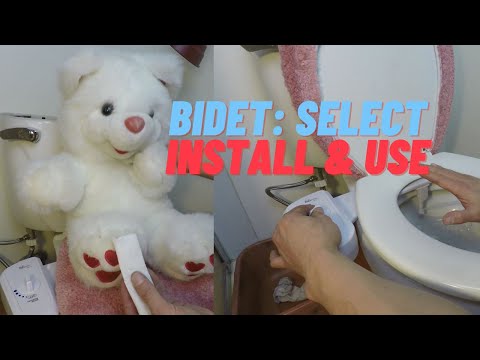
Best Bidet: How to Select, Install and Use a Bidet
How We Selected: We surveyed options using hands-on testing, cost analysis, and practical results. Key factors included tool accessibility, material cost, time required. No sponsorship or affiliate relationship influenced our selections.
A bidet is far superior to toilet paper for personal hygiene. It rinses away residue and removes almost all odor, something paper simply cannot achieve. It also provides comfort to people with hemorrhoids and reduces environmental waste from toilet paper consumption. In this video, Dr. David Zhang provides a comprehensive guide covering how to choose the right bidet, how to install it in about 20 minutes, and how to use it properly.
Choosing Your Bidet: Electric vs. Non-Electric
The first decision is between electric and non-electric bidet seats. Electric models offer heated water, heated seats, air drying, and adjustable water pressure. Non-electric models provide basic cold water spray functionality at a much lower price point. For many users, especially in warmer climates, a non-electric model is perfectly adequate.
The concern about cold water is common but often overblown. In most homes, the water temperature from the supply line is cool but not uncomfortably cold, especially once you become accustomed to it. Electric models eliminate this concern entirely but come with a higher price tag and the need for an electrical outlet near the toilet.
Another consideration is whether you need a left-handed or right-handed control panel, which depends on the position of the bidet controls relative to your dominant hand and the layout of your bathroom.
The 10-Step Installation Process
Dr. Zhang walks through a detailed 10-step installation that requires no special plumbing skills. The process involves shutting off the water supply, disconnecting the existing supply hose, installing a T-adapter that splits the water supply between the toilet tank and the bidet, mounting the bidet seat, reconnecting all hoses, and testing for leaks.
A critical tip: reconnect the water hose as soon as possible during installation to minimize the time the water supply is disconnected. The sample product demonstrated is a Biobidet model BBC-70, but the principles apply to most bidet seat brands because many popular brands have very similar products.
How to Verify Cleanliness
Many first-time bidet users wonder whether they are truly clean after using the bidet spray. Dr. Zhang addresses this common question at the end of the video with practical verification techniques that give users confidence in the effectiveness of the cleaning process.
Cost and Environmental Benefits
A basic non-electric bidet seat costs under $50 and eliminates the majority of toilet paper usage. The average American uses about 24 rolls of toilet paper per year. At current prices, a bidet pays for itself within the first year and continues saving money every year after that, while also reducing your environmental footprint.
For more home improvement guides, check out our articles on how to do bathtub caulking and rearview mirror repair. Installing a bidet is one of the most impactful bathroom upgrades you can make for hygiene, cost savings, and environmental responsibility.