
video

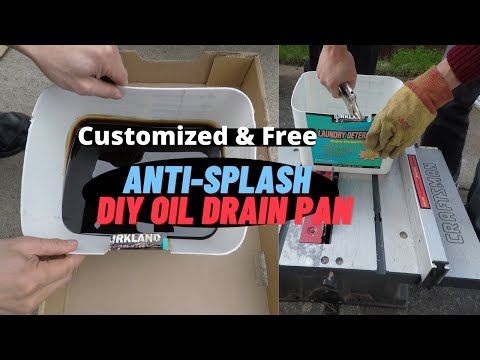
DIY Anti-Splash Oil Drain Pan, Best Free No-Splash Customized Oil Catcher, No Mess to Clean Up
By Genius Asian Updated

DIY Anti-Splash Oil Drain Pan, Best Free No-Splash Customized Oil Catcher, No Mess to Clean Up

Key Takeaways

  • #Shorts When you buy a car oil drain pan, it is a generic one that will work for all manufacturers’ makes and models
  • The most common oil drain pan is shallow and cannot prevent oil splashes during a car engine oil change, meaning you will have to waste time cleaning oil spills on the ground
  • So this video shows you how to DIY an oil drain pan, and customize it to your car, so that it can prevent oil splashes
  • Not only it is a better oil pan, but also it is free, saving you money

Why This Matters

#Shorts When you buy a car oil drain pan, it is a generic one that will work for all manufacturers’ makes and models

  • The most common oil drain pan is shallow and cannot prevent oil splashes during a car engine oil change, meaning you will have to waste time cleaning oil spills on the ground
  • So this video shows you how to DIY an oil drain pan, and customize it to your car, so that it can prevent oil splashes
  • Not only it is a better oil pan, but also it is free, saving you money The splash problem occurs because oil exits the drain plug with some velocity and hits the flat surface of the drain pan, causing it to spray outward

Understanding the Basics

The splash problem occurs because oil exits the drain plug with some velocity and hits the flat surface of the drain pan, causing it to spray outward. Commercial anti-splash pans solve this with raised edges and baffled interiors, but they cost $15 to $40 and still do not fully eliminate the mess. A DIY solution using a larger container with a splash guard positioned over the drain stream catches the oil cleanly and directs it downward without splashing.

The DIY Advantage

A single messy oil change can stain your driveway permanently, create a slip hazard, and require cleanup materials that cost more than the oil itself. Preventing the mess in the first place is far better than dealing with it after the fact.

Tips for Best Results

Position the drain pan directly below the drain plug before loosening it, and angle the pan so the oil stream hits a sloped surface rather than a flat bottom. A piece of cardboard or a cut plastic jug positioned as a splash shield above the pan catches any initial spray. Have plenty of rags on hand for the drain plug removal moment. Let the oil drain completely (at least 10 to 15 minutes) before replacing the plug.

Frequently Asked Questions

Can I do this myself without professional help?

Absolutely. The techniques and methods covered in this guide are specifically designed for people who want to handle things themselves without expensive professional services. You do not need specialized training or professional-grade equipment. Basic household tools and common materials are sufficient for the vast majority of situations described here. The key is to follow the steps carefully, take your time during the preparation phase, and not rush through any critical steps. Most people find that their first attempt takes somewhat longer than expected, but each subsequent attempt becomes significantly faster and more confident as the process becomes second nature. The initial investment of learning time pays dividends every time you need to repeat the task.

What kind of cost savings can I expect?

The savings from a do-it-yourself approach are substantial compared to hiring professionals. Depending on your location and the specific task involved, DIY methods typically reduce costs by 50 to 80 percent relative to professional service fees. In many cases, the materials you need are inexpensive and widely available at hardware stores, home improvement centers, or online retailers. Beyond the immediate dollar savings, you gain the independence of being able to handle the situation on your own schedule, without waiting for appointments, service windows, or contractor availability. Over time, these savings compound significantly, especially for tasks that need to be repeated periodically.

What should I do if something does not go as planned?

Starting with a low-risk practice run whenever possible is always a good strategy. Before beginning the actual task, read through or watch the complete procedure so you understand what to expect at each stage. This advance preparation helps you anticipate potential complications and have backup materials ready. Most mistakes in DIY projects are fully recoverable if you catch them early. The most important habit is to stop and reassess if something looks or feels wrong, rather than pushing forward and compounding the problem. If you reach a point where you are truly uncertain about how to proceed safely, consulting a professional for targeted advice is always a reasonable option.

More Practical Guides

A clean, splash-free oil change setup makes the entire process more pleasant and encourages you to do regular oil changes rather than putting them off. For more hands-on tutorials, check out our guides on changing transmission fluid and replacing front brake pads. Each one follows the same practical, no-nonsense approach to help you save money and build useful skills.

Watch on YouTube →