 Genius Asian
 Embarrassing Exposure Using StarTrek Like Bathroom/Toilet in Germany
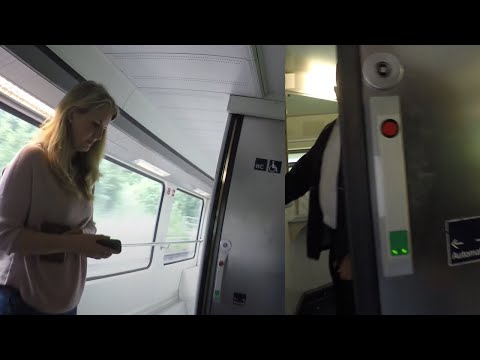
Embarrassing Encounter With a Futuristic Star Trek-Like Bathroom in Germany
Key Takeaways
- Automated self-cleaning public toilets in Germany look and operate like something from Star Trek
- The door operates on a timer and will open automatically after a set period
- Not understanding the timer system can lead to embarrassing situations
- European public toilets often have features and payment systems unfamiliar to American travelers
- Always check how the door mechanism works before settling in
The Futuristic Toilet
In Germany, some public restrooms are fully automated, self-cleaning pods that would not look out of place on the starship Enterprise. You insert a coin, the curved door slides open with a mechanical hiss, and you step into a gleaming, stainless steel interior that cleans itself between each use.
The design is impressive: everything is automated, hygienic, and space-age in appearance. But there is a critical feature that caught us off guard — the door operates on a timer.
The Embarrassing Moment
After the timer expires, the door opens automatically. If you are not finished, if you did not notice the timer, or if you simply took longer than expected, you find yourself suddenly exposed to passing pedestrians as the door slides open on its schedule rather than yours.
This is exactly what happened, creating one of those travel moments that is mortifying in the moment but becomes a favorite story to tell later. The lesson was learned immediately and permanently.
European Public Toilet Tips for American Travelers
Public restrooms in Europe differ from American expectations in several ways. Many require payment, either by coin or card. Automated facilities have specific operating procedures that are not always obvious. Toilet designs may differ from what you are accustomed to (the German “shelf” toilet is a common surprise). Finding a public restroom may require more planning than in the US, where businesses generally allow non-customers to use facilities.
Travel Preparation
Before traveling to Europe, familiarize yourself with common restroom styles and payment systems in your destination countries. Always carry small coins for restroom access. Read all instructions before pressing buttons or inserting money. And most importantly — check the timer before you relax.