 Genius Asian
 Hard to Believe: Young Women With Such Bad Etiquette At EV Charge Station
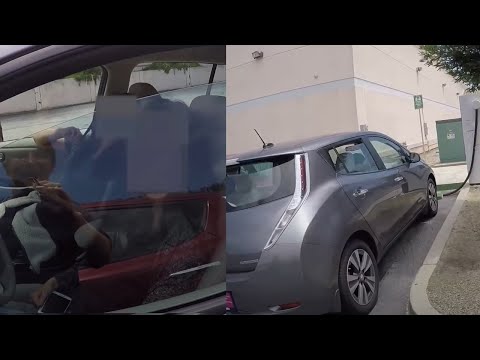
EV Charging Station Etiquette: Lessons From a Frustrating Experience
Key Takeaways
- EV charging stations are shared resources that require courtesy and consideration
- Leaving a fully charged car plugged in while shopping blocks other EV drivers who need to charge
- Not all EV drivers understand or follow charging etiquette, which creates frustration
- As EV adoption grows, shared etiquette norms become increasingly important
- Planning your charging sessions and being mindful of time helps the entire EV community
The Incident
Arriving at a charging station to find it occupied by a fully charged vehicle whose driver is nowhere to be found is one of the most frustrating aspects of public EV charging. In this case, the occupants had left their fully charged car plugged in and gone shopping, preventing anyone else from charging.
When they finally returned, their lack of awareness about the inconvenience they had caused was surprising. Charging station etiquette is still developing as a social norm, and not everyone has internalized the shared-resource mindset.
EV Charging Etiquette Guidelines
Move your car promptly when charging is complete. Many charging apps send notifications when your car reaches full charge. Set a timer on your phone as a backup. If the station has a time limit, respect it.
Do not unplug someone else’s car unless the station has clear rules allowing it after charging is complete. Leave a note with your phone number if you need to leave your car charging while you step away. Only use charging spots when you actually need to charge — do not park in them for the convenient location.
Why Etiquette Matters
With limited public charging infrastructure, every occupied station matters. A single inconsiderate user can leave multiple EV drivers stranded or significantly delayed. As EV adoption accelerates, the charging network needs both more stations and better user behavior.
Building Better Norms
The EV community benefits when experienced drivers model good behavior and gently educate newcomers. Confrontation rarely helps, but friendly conversation about shared charging resources can gradually shift behavior.
The Evolving EV Charging Landscape
The electric vehicle charging infrastructure continues to expand and improve. New charging networks are being built, existing stations are being upgraded to faster speeds, and the user experience is gradually becoming more standardized. Payment systems are moving toward simpler tap-to-pay methods, and apps now provide real-time availability information that reduces the frustration of arriving at an occupied or broken station.
For new EV owners, the learning curve is steeper than it needs to be. Each charging network still has its own authentication system and interface quirks. Connector standards vary between manufacturers (CHAdeMO, CCS, Tesla). Pricing structures range from per-kilowatt-hour to per-minute to session-based. Taking time to learn these differences before you need to charge in a hurry saves significant frustration.
Home charging remains the most convenient and cost-effective option for most EV owners. Installing a Level 2 charger in your garage, powered by a dedicated 240-volt circuit, provides overnight charging that covers the vast majority of daily driving needs. Public charging then becomes supplementary rather than primary, reducing the stress of relying on an imperfect public network.
The Evolving EV Charging Landscape
The electric vehicle charging infrastructure continues to expand and improve. New charging networks are being built, existing stations are being upgraded to faster speeds, and the user experience is gradually becoming more standardized. Payment systems are moving toward simpler tap-to-pay methods, and apps now provide real-time availability information that reduces the frustration of arriving at an occupied or broken station.
For new EV owners, the learning curve is steeper than it needs to be. Each charging network still has its own authentication system and interface quirks. Connector standards vary between manufacturers (CHAdeMO, CCS, Tesla). Pricing structures range from per-kilowatt-hour to per-minute to session-based. Taking time to learn these differences before you need to charge in a hurry saves significant frustration.
Home charging remains the most convenient and cost-effective option for most EV owners. Installing a Level 2 charger in your garage, powered by a dedicated 240-volt circuit, provides overnight charging that covers the vast majority of daily driving needs. Public charging then becomes supplementary rather than primary, reducing the stress of relying on an imperfect public network. For more EV content, check out our guide on changing transmission fluid or learn about replacing front brake pads.