 Genius Asian
 How Do Two Blink Quick Charger Ports Share One Charging Station
How Do Two Blink Quick Charger Ports Share One Charging Station?
Key Takeaways
- Some Blink DC fast charging stations have two ports but share a single power unit
- When both ports are occupied, the charging power is split between the two vehicles
- This means each car charges at roughly half the normal rate when both ports are in use
- Understanding power sharing helps you plan charging stops more accurately
- If speed matters, look for a station with one port free
Power Sharing Explained
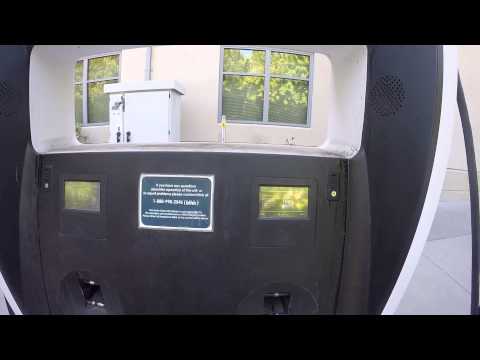
Some Blink quick charger installations feature two charging ports connected to a single power conversion unit. This is a cost-saving measure during installation — one power unit is cheaper than two. The practical consequence is that when two cars charge simultaneously, they share the available power.
If only one car is plugged in, it receives the full charging rate. When a second car plugs in, the available power is divided between both vehicles. This can roughly double the time needed to reach your target charge level.
Practical Implications
If you arrive at a dual-port Blink station and one port is already occupied, your charging will take longer than expected. The charging rate displayed on the screen may show a lower kilowatt rate than you are accustomed to. This is not a malfunction — it is the power sharing working as designed.
If charging speed is important for your trip, look for stations where both ports are available, or choose a station with a dedicated single-port configuration. Many newer charging installations are moving toward dedicated power units per port to avoid this issue.
Planning Around Power Sharing
Check the charging rate displayed when you plug in. If it seems low, another vehicle may be sharing the station. Factor the potentially slower rate into your time estimate. For critical charging stops, consider having a backup station identified in case your primary choice is fully occupied.
The Evolving EV Charging Landscape
The electric vehicle charging infrastructure continues to expand and improve. New charging networks are being built, existing stations are being upgraded to faster speeds, and the user experience is gradually becoming more standardized. Payment systems are moving toward simpler tap-to-pay methods, and apps now provide real-time availability information that reduces the frustration of arriving at an occupied or broken station.
For new EV owners, the learning curve is steeper than it needs to be. Each charging network still has its own authentication system and interface quirks. Connector standards vary between manufacturers (CHAdeMO, CCS, Tesla). Pricing structures range from per-kilowatt-hour to per-minute to session-based. Taking time to learn these differences before you need to charge in a hurry saves significant frustration.
Home charging remains the most convenient and cost-effective option for most EV owners. Installing a Level 2 charger in your garage, powered by a dedicated 240-volt circuit, provides overnight charging that covers the vast majority of daily driving needs. Public charging then becomes supplementary rather than primary, reducing the stress of relying on an imperfect public network.
The Evolving EV Charging Landscape
The electric vehicle charging infrastructure continues to expand and improve. New charging networks are being built, existing stations are being upgraded to faster speeds, and the user experience is gradually becoming more standardized. Payment systems are moving toward simpler tap-to-pay methods, and apps now provide real-time availability information that reduces the frustration of arriving at an occupied or broken station.
For new EV owners, the learning curve is steeper than it needs to be. Each charging network still has its own authentication system and interface quirks. Connector standards vary between manufacturers (CHAdeMO, CCS, Tesla). Pricing structures range from per-kilowatt-hour to per-minute to session-based. Taking time to learn these differences before you need to charge in a hurry saves significant frustration.
Home charging remains the most convenient and cost-effective option for most EV owners. Installing a Level 2 charger in your garage, powered by a dedicated 240-volt circuit, provides overnight charging that covers the vast majority of daily driving needs. Public charging then becomes supplementary rather than primary, reducing the stress of relying on an imperfect public network. For more EV content, check out our guide on changing transmission fluid or learn about replacing front brake pads.