 Genius Asian
 How to Make A Caulk Finishing Tool & Tips
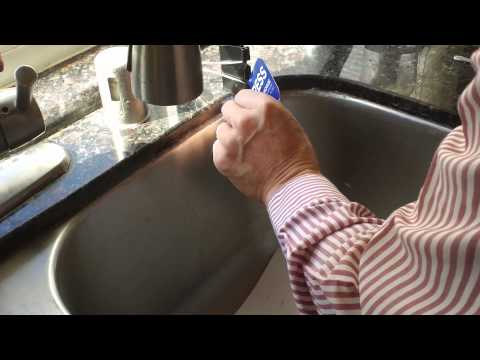
How to Make A Caulk Finishing Tool & Tips
Key Takeaways
- You can make a professional-quality caulk finishing tool from household items at zero cost
- A homemade tool produces smoother, more consistent lines than using your finger
- The tool speeds up the caulking process significantly, especially on long runs
- Proper finishing technique is as important as proper application
- This complements bathtub, kitchen, and bathroom caulking projects
Why You Need a Finishing Tool
Most homeowners apply caulk by running a bead from the caulk gun and smoothing it with a wet finger. This method works in a pinch but has several real drawbacks: your finger tires quickly on long runs, the line width is inconsistent because finger pressure varies, the concave profile depth changes as your finger fatigues, and you end up with caulk all over your hands that is remarkably difficult to clean off.
A finishing tool solves all of these problems. It creates a uniform concave profile along the entire caulk line, pushes the caulk firmly into the joint on both sides for better adhesion and waterproofing, and keeps your hands completely clean throughout the process.
Professional caulking tools are available at hardware stores for a few dollars, but you can make one at home in minutes that works just as well. The added advantage of a homemade tool is that you can customize the curve profile to match your specific joint width.
How to Make the Tool
Materials
- A plastic card (old credit card, expired gift card, hotel key card, or similar)
- Scissors or a utility knife
- Optional: fine sandpaper to smooth the cut edge
Construction Steps
- Cut the corner of the card at roughly a 45-degree angle, creating a concave curve at the cut point. The depth of this curve determines the profile of your finished caulk line.
- Smooth the cut edge with fine sandpaper if the scissors left a rough or jagged edge. A rough edge will create streaks in the caulk.
- Test the curve by pressing it against a flat surface — the curve should be gentle enough to create a smooth caulk line without removing too much material from the joint.
- Make several tools with different curve profiles. A tighter curve works well for narrow joints like where tile meets a tub. A wider, shallower curve is better for larger gaps between countertops and backsplashes.
Since plastic cards are essentially free (expired gift cards, old loyalty cards, hotel keys), you can experiment freely without any cost.
How to Use the Finishing Tool
- Apply your caulk bead from the caulk gun in a continuous line along the joint
- Position the tool at one end with the curved edge pressed firmly against both surfaces of the joint
- Draw the tool smoothly along the entire length in one continuous motion at a steady speed
- Wipe excess caulk from the tool with a damp cloth or paper towel
- One pass is usually sufficient with good technique, though you can make a second pass if needed
Tips for Best Results
- Consistent speed is critical — stopping and starting creates visible uneven spots
- Firm, even pressure ensures the tool contacts both joint surfaces throughout the run
- Keep a damp cloth handy to clean the tool between passes and between different sections
- Work in manageable sections for runs longer than 4-5 feet so the caulk does not begin to skin over
- Moderate pressure only — pressing too hard scrapes too much caulk from the joint and weakens the waterproof seal
- Angle the tool slightly in the direction of travel so it glides rather than catches
Common Caulking Mistakes to Avoid
Even with a good finishing tool, certain mistakes undermine your results. Applying too thin a bead leaves insufficient material for the tool to shape. Working in high humidity can prevent proper curing. Using painter’s tape but removing it too late after the caulk begins to set creates ragged edges that look worse than no tape at all. Not cleaning the old caulk residue thoroughly before applying new caulk leads to adhesion failure within months.
For a complete bathtub caulking guide, see how to do bathtub caulking. For another clever zero-cost household solution, try how to peel garlic easily without special tools.