 Genius Asian
 How to operate a Nissan Leaf - a guide for busy owners
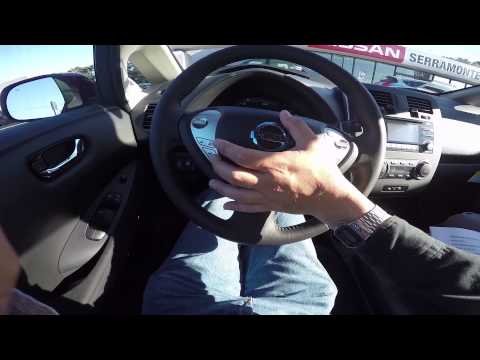
How to Operate a Nissan Leaf: A Guide for Busy Owners
Key Takeaways
- If your new car is not your first car, chances are you have not read the owner’s manual
- This video covers the essential information a Nissan Leaf 2015 owner needs to know
- Many features are similar across EV models and makes
- For details beyond the essentials, consult the full owner’s guide when time permits
- Electric vehicles have unique operating characteristics that differ from gasoline cars
Why a Quick-Start Guide Matters
Let us be honest: almost nobody reads their car owner’s manual cover to cover. If you are getting a Nissan Leaf as a second or third car, you probably plan to figure it out as you go. But electric vehicles have some unique features and operating characteristics that can surprise owners accustomed to gasoline cars. This video provides the minimum essential knowledge to operate your Leaf safely and efficiently.
Key Operating Differences
The Nissan Leaf differs from conventional cars in several important ways. There is no engine noise, so pedestrians may not hear you coming at low speeds — some models include a pedestrian warning sound. Regenerative braking slows the car when you lift off the accelerator, which takes getting used to but eventually becomes a feature you appreciate.
The range display shows estimated remaining miles, but this number fluctuates based on driving conditions, climate control use, speed, and terrain. Learning to read this display accurately takes experience. Running the heater or air conditioning significantly reduces range, which catches many new EV owners off guard.
Charging Basics
The Leaf supports multiple charging methods. Level 1 charging uses a standard 120V household outlet and adds about 4-5 miles of range per hour. Level 2 charging requires a 240V outlet or dedicated charger and adds about 25 miles per hour. DC fast charging (if your model has the CHAdeMO port) can charge from empty to 80% in about 30 minutes.
For daily commuting, most owners charge overnight at home using Level 2. Public charging stations supplement home charging for longer trips. The car’s navigation system can help locate nearby charging stations.
Dashboard and Controls
The video walks through the key dashboard displays, climate controls, and driving modes that new owners need to understand. Eco mode limits acceleration and climate control output to maximize range. The energy usage display helps you understand how your driving habits affect efficiency.
The Evolving EV Charging Landscape
The electric vehicle charging infrastructure continues to expand and improve. New charging networks are being built, existing stations are being upgraded to faster speeds, and the user experience is gradually becoming more standardized. Payment systems are moving toward simpler tap-to-pay methods, and apps now provide real-time availability information that reduces the frustration of arriving at an occupied or broken station.
For new EV owners, the learning curve is steeper than it needs to be. Each charging network still has its own authentication system and interface quirks. Connector standards vary between manufacturers (CHAdeMO, CCS, Tesla). Pricing structures range from per-kilowatt-hour to per-minute to session-based. Taking time to learn these differences before you need to charge in a hurry saves significant frustration.
Home charging remains the most convenient and cost-effective option for most EV owners. Installing a Level 2 charger in your garage, powered by a dedicated 240-volt circuit, provides overnight charging that covers the vast majority of daily driving needs. Public charging then becomes supplementary rather than primary, reducing the stress of relying on an imperfect public network. For more car-related content, check out our guide on changing transmission fluid or learn about replacing front brake pads.