 Genius Asian
 No More Juice on Your Face-How to Cut & Eat Watermelon & Still Be Clean
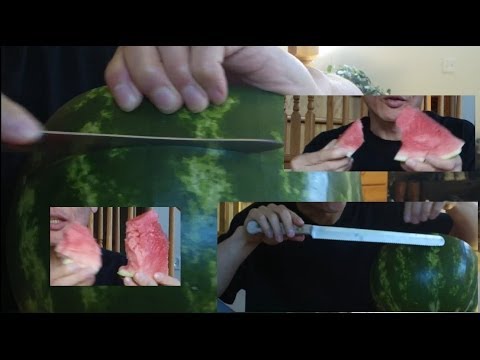
No More Juice on Your Face-How to Cut & Eat Watermelon & Still Be Clean
Key Takeaways
- Eating watermelon without getting juice on your face is achievable with the right cutting and eating technique
- The key is the shape of the piece you eat — stick-shaped pieces are far cleaner than wedges
- Cutting technique and eating technique work together to keep you clean
- This is especially valuable for outdoor events, picnics, and situations where napkins are scarce
- Children benefit most from clean-eating watermelon shapes since they are the messiest eaters
The Watermelon Mess Problem
Watermelon is one of the juiciest fruits, containing over 90 percent water. Traditional crescent-shaped wedges practically guarantee juice running down your chin, hands, and arms. At a formal outdoor gathering, at a picnic without running water, or simply when wearing a light-colored shirt, the mess factor of watermelon can turn a refreshing snack into a staining disaster.
The solution is not to avoid watermelon but to change how you cut and eat it.
The Clean-Eating Cut
The fundamental insight is that the shape of the watermelon piece determines how messy it is to eat. Crescent wedges are the messiest because the curved rind shape forces you to bite at an angle, directing juice toward your chin. Cubes are moderately clean but still require careful fork work. The cleanest shape is the watermelon stick — a rectangular piece approximately 1 inch wide, 1 inch deep, and 3-4 inches long.
How to Cut Watermelon Sticks
- Cut the watermelon in half through the equator
- Place each half cut-side down on the cutting board for stability
- Make parallel cuts approximately 1 inch apart in one direction
- Rotate 90 degrees and make perpendicular cuts 1 inch apart
- Slice horizontally to separate the sticks from the rind
- Each stick is a self-contained piece that can be eaten from the end like a carrot stick
Why Sticks Are Cleaner
When you eat a watermelon stick from the end, your bite is perpendicular to the longest dimension. The juice from the bite drips straight down (away from your face) rather than running along a curved surface toward your chin. The narrow cross-section means each bite releases less juice than a bite from a wide wedge. And the straight shape allows you to hold the piece away from your body, directing any drips away from your clothes.
Eating Technique
Beyond cutting, how you eat matters too. Take small bites from the end of the stick rather than large bites from the side. Keep the stick angled slightly downward so gravity directs juice away from your hand. Rotate the stick as you eat to present a fresh, flat surface to your teeth rather than a juicy bitten edge.
For Children
Children are notoriously messy watermelon eaters, but sticks work remarkably well even for small hands. The shape is easy to grip, the portion size is appropriate, and the clean-eating mechanics work even when executed imperfectly by a four-year-old. For very young children, cutting the sticks shorter (2 inches) reduces both the mess potential and the choking risk.
Complete Watermelon Mastery
This video is part of a comprehensive series on watermelon techniques. For selecting the best watermelon, see how to pick a watermelon like a pro. For cutting and storage optimization, see the least messy cutting series.
The Fork and Knife Alternative
For situations where even the stick method seems too informal — business lunches, formal outdoor events, or simply personal preference — watermelon cubes eaten with a fork provide the cleanest possible experience. Cut the watermelon into uniform one-inch cubes, serve in a bowl or on a plate, and eat with a dessert fork. The fork approach keeps hands completely clean and allows you to enjoy watermelon in any social setting without concern about appearance. Pre-cutting the cubes before the event means guests never need to handle cutting tools, reducing both mess and inconvenience. This approach works particularly well for buffet-style serving where guests serve themselves, as cubes are easy to portion onto individual plates using serving tongs or a large spoon.