 Genius Asian
 How To Reset EV Charge Station Error Code 0x0504
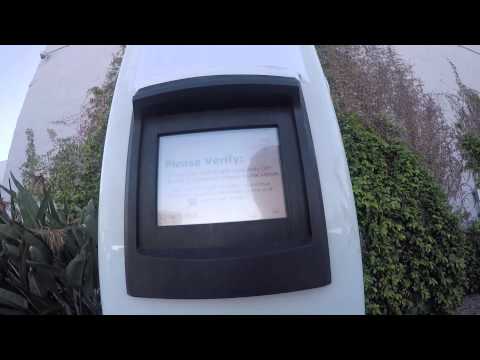
How to Reset EV Charge Station Error Code 0x0504
Key Takeaways
- Error code 0x0504 is a specific fault condition that was not covered in previous reset videos
- The reset procedure for this error is straightforward once you know it
- This is a follow-up to the general EV charge station reset video
- Documenting specific error codes and their solutions helps the EV community
- Always note the error code displayed before attempting any reset
Background
After creating the general EV charge station reset video, this specific error case remained unaddressed. Error code 0x0504 appeared on a different type of charger than those previously documented. The fix turned out to be straightforward, but discovering the correct procedure required experimentation.
The Reset Process
The 0x0504 error code indicates a communication fault between the charger and the vehicle. The reset involves disconnecting the charging cable from the vehicle, waiting a brief period, and reconnecting. If the error persists, cycling the charger’s power through its reset mechanism (which varies by charger brand) clears the stored error state.
Why Error Codes Matter
Each error code on an EV charger indicates a specific type of fault. Some errors are user-correctable (like 0x0504), while others indicate hardware failures that require a service technician. Knowing common error codes and their solutions saves time and reduces the frustration of encountering a non-working charger.
Building Community Knowledge
By documenting these error codes and their solutions on video, the EV community benefits from shared knowledge. Early EV adoption involves a learning curve that no manufacturer’s manual fully addresses. Real-world experience shared openly helps everyone.
The Evolving EV Charging Landscape
The electric vehicle charging infrastructure continues to expand and improve. New charging networks are being built, existing stations are being upgraded to faster speeds, and the user experience is gradually becoming more standardized. Payment systems are moving toward simpler tap-to-pay methods, and apps now provide real-time availability information that reduces the frustration of arriving at an occupied or broken station.
For new EV owners, the learning curve is steeper than it needs to be. Each charging network still has its own authentication system and interface quirks. Connector standards vary between manufacturers (CHAdeMO, CCS, Tesla). Pricing structures range from per-kilowatt-hour to per-minute to session-based. Taking time to learn these differences before you need to charge in a hurry saves significant frustration.
Home charging remains the most convenient and cost-effective option for most EV owners. Installing a Level 2 charger in your garage, powered by a dedicated 240-volt circuit, provides overnight charging that covers the vast majority of daily driving needs. Public charging then becomes supplementary rather than primary, reducing the stress of relying on an imperfect public network.
The Evolving EV Charging Landscape
The electric vehicle charging infrastructure continues to expand and improve. New charging networks are being built, existing stations are being upgraded to faster speeds, and the user experience is gradually becoming more standardized. Payment systems are moving toward simpler tap-to-pay methods, and apps now provide real-time availability information that reduces the frustration of arriving at an occupied or broken station.
For new EV owners, the learning curve is steeper than it needs to be. Each charging network still has its own authentication system and interface quirks. Connector standards vary between manufacturers (CHAdeMO, CCS, Tesla). Pricing structures range from per-kilowatt-hour to per-minute to session-based. Taking time to learn these differences before you need to charge in a hurry saves significant frustration.
Home charging remains the most convenient and cost-effective option for most EV owners. Installing a Level 2 charger in your garage, powered by a dedicated 240-volt circuit, provides overnight charging that covers the vast majority of daily driving needs. Public charging then becomes supplementary rather than primary, reducing the stress of relying on an imperfect public network. For more EV and car content, check out our guide on changing transmission fluid or learn about replacing front brake pads.