 Genius Asian
 If You Give Rats An Egg...
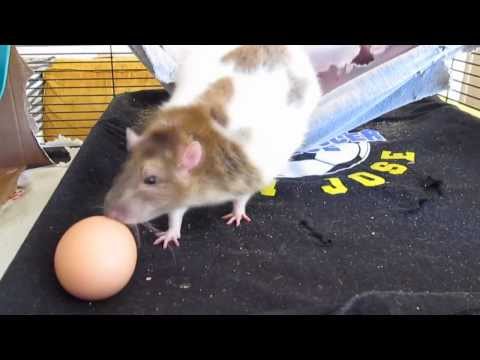
If You Give Rats an Egg: A Backyard Curiosity Experiment
Key Takeaways
- This is a fun curiosity experiment to see how rats interact with a hard-boiled egg
- Rats are remarkably resourceful and persistent problem-solvers when presented with food challenges
- The experiment offers a lighthearted break from the usual DIY and martial arts content on this channel
- Observing animal behavior can be surprisingly entertaining and educational
- Simple backyard experiments like this cost nothing and satisfy the natural curiosity many of us have
What This Video Shows
Ever wondered what would happen if you left a hard-boiled egg out where rats could find it? This video answers that question with a simple but entertaining backyard experiment. The egg was hard-boiled — not raw — which creates an interesting scenario because the rats cannot simply crack and lap up a liquid interior. They have to work for their meal.
What unfolds is a surprisingly engaging watch. The rats approach the egg with caution at first, investigating it with their sensitive whiskers and noses. Then the problem-solving begins. Rats are among the most intelligent rodents, and watching them figure out how to handle an object much larger than their usual food sources is genuinely fascinating.
Why Rats and Eggs Make an Interesting Combination
Rats are opportunistic omnivores, meaning they will eat almost anything. In the wild, they encounter bird eggs occasionally and have developed strategies for dealing with them. But a hard-boiled egg presents a different challenge than a raw one — the shell is harder to penetrate because there is no solid structure to exploit, and the reward inside is denser.
The rats in this experiment demonstrate several behaviors that wildlife researchers have documented:
- Manipulation with front paws — rats have remarkably dexterous front feet
- Gnawing strategy — using their powerful incisors to create an opening
- Teamwork — multiple rats may work on the same egg or take turns
- Persistence — rats do not give up easily when they detect food
The Joy of Simple Experiments
This video is a reminder that you do not need expensive equipment or a laboratory to satisfy your curiosity. A hard-boiled egg, some outdoor space, and a camera are all you need. The result is a video that is both entertaining to watch and mildly educational about animal behavior.
If you enjoy this kind of curious, hands-on approach to understanding the world, you will find a similar spirit across the channel’s other content. Whether it is figuring out the cheapest way to grow an avocado from a pit or learning how to plant a fig tree, the philosophy is the same: try it yourself, see what happens, and share what you learn.