 Genius Asian
 It only takes one slip of the wheel--Afterthoughts
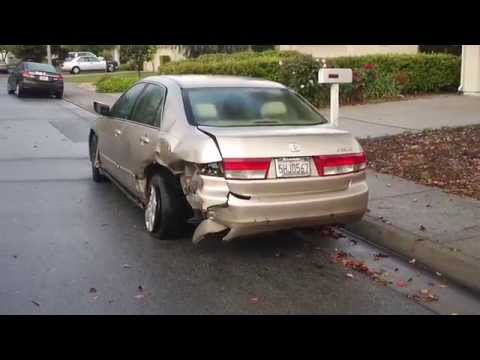
It only takes one slip of the wheel—Afterthoughts
Key Takeaways
- A single moment of inattention while driving can result in a serious accident, regardless of your driving record
- This video documents the aftermath of a car wreck and the lessons learned from the experience
- Ten years of accident-free driving did not prevent this incident
- The Honda Accord documented throughout the channel’s car repair series was totaled in this accident
- Defensive driving and constant vigilance are the only reliable protections against road accidents
The Last Video of This Car
Throughout many videos on the Genius Asian channel, a Honda Accord served as the demonstration vehicle for numerous car repair and maintenance guides. Brake pad replacement, brake fluid bleeding, oxygen sensor diagnosis, transmission fluid changes — this car was the patient in dozens of automotive tutorials that helped viewers learn to maintain their own vehicles.
This video marks the end of that car’s story. One slip of the wheel — a momentary lapse in control — and the car that had taught so many lessons delivered its final one: no amount of mechanical knowledge protects you from the consequences of a driving mistake.
What Happened
The details are straightforward and, for that reason, all the more sobering. After a decade without any accidents, a single moment of inattention or misjudgment resulted in a wreck that totaled the vehicle. The specific circumstances matter less than the universal truth they illustrate: it only takes one mistake. You can be an experienced, careful driver for years, and a single lapse can erase that record in seconds.
The Afterthoughts
The reflective nature of this video sets it apart from the channel’s typical how-to content. Instead of teaching a repair or demonstrating a technique, it asks viewers to consider their own vulnerability behind the wheel:
Complacency Is Dangerous: A long accident-free record can breed false confidence. You begin to feel invulnerable, drive on autopilot, and relax the constant vigilance that safe driving requires. The paradox is that experienced drivers may be more at risk in some ways than nervous beginners who are hyper-aware of every potential hazard.
Mechanical Condition Is Not Enough: You can maintain your car perfectly — fresh brakes, good tires, functioning lights — and still have an accident. Mechanical reliability reduces certain risks but does nothing to prevent driver error.
The Consequences Are Immediate and Severe: Unlike most mistakes in life, driving mistakes have immediate physical consequences. There is no “undo” button, no second draft, no opportunity to learn from the error before it fully manifests. The time between mistake and consequence is measured in fractions of a second.
Lessons for All Drivers
Several practical lessons emerge from this experience:
Stay Focused: Distracted driving is the leading cause of accidents. Phone use, eating, adjusting the radio, conversations with passengers — anything that diverts attention from the road increases risk.
Respect Speed: Higher speeds reduce reaction time and increase the severity of any impact. The difference between 35 mph and 45 mph can be the difference between a fender bender and a totaled vehicle.
Maintain Following Distance: Keeping adequate distance from the vehicle ahead gives you time to react to sudden stops or obstacles.
Check Blind Spots: Lane changes and turns are among the most common accident scenarios. Mirrors do not show everything.
Drive Defensively: Assume other drivers will make mistakes and position yourself to have escape routes available.
Moving Forward
The loss of the Honda Accord that starred in so many tutorial videos was personally significant. But the hope expressed in this video is that sharing the experience might help even one viewer drive more carefully and avoid a similar outcome.
For the car maintenance content this Honda Accord helped create, see brake fluid bleeding and windshield crack repair.